India and Gulf Cooperation Council Formally Launch Free Trade Agreement Negotiations
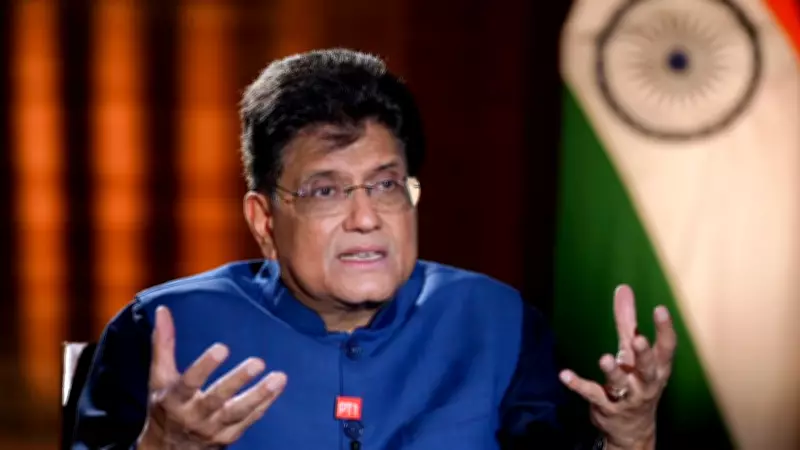
In a significant diplomatic and economic development, India and the six-nation Gulf Cooperation Council (GCC) have officially signed the terms of reference (ToR) to launch comprehensive negotiations for a free trade agreement (FTA). The signing ceremony, presided over by Union Commerce and Industry Minister Piyush Goyal, marks a pivotal step toward strengthening economic ties between the two regions.
Scope and Significance of the Agreement
The terms of reference outline the detailed scope and modalities for the proposed trade pact, setting the framework for future discussions. This agreement is poised to enhance bilateral trade and investments significantly, building on a historical relationship that spans over 5,000 years. Minister Goyal emphasized that the FTA will facilitate a greater free flow of goods and services, introduce policy predictability and stability, and encourage increased investments between India and the GCC nations.
"It is most appropriate that we now enter into a much stronger and robust trading arrangement," Goyal stated, highlighting the mutual benefits. He noted that approximately 10 million Indians currently live and work in the GCC region, underscoring the deep people-to-people connections that complement economic interests.

Economic and Strategic Implications
The FTA negotiations come at a time when bilateral trade between India and the GCC stands at nearly $179 billion. The agreement is expected to:
- Boost exports of Indian products such as pearls, precious stones, metals, electrical machinery, iron, steel, and chemicals.
- Enhance food and energy security for both regions, with India being a major food grain producer and GCC nations leading in oil and gas exports.
- Provide opportunities for skilled Indian professionals to contribute to GCC economies while diversifying India's energy sources.
- Support infrastructure development in both regions through collaboration with high-quality companies.
- Benefit India's petrochemical industry through strengthened partnerships.
Historical Context and Resumption of Talks
Negotiations for an FTA with the GCC have a long history, with the first two rounds held in 2006 and 2008. However, talks were stalled as the GCC deferred negotiations with all countries during the third round. The current signing of the ToR effectively resumes these discussions, signaling a renewed commitment amid global economic uncertainties.
GCC's chief negotiator, Raja Al Marzouqi, described the pact as "important" in the current global landscape, noting that it sends a cooperative message to mitigate risks from economic instability. India's chief negotiator, Additional Secretary Ajay Bhadoo, will lead the discussions from the Indian side.
Existing Agreements and Future Prospects
India has already established trade agreements with individual GCC members, including an FTA with the UAE implemented in May 2022 and a Comprehensive Economic Partnership Agreement with Oman signed in December 2025. The new FTA with the entire GCC bloc—comprising Saudi Arabia, the UAE, Qatar, Kuwait, Oman, and Bahrain—aims to create a more integrated and robust economic framework.
This initiative aligns with India's broader strategy to expand its trade footprint and secure strategic partnerships in key regions. As negotiations progress, stakeholders anticipate that the FTA will not only boost economic growth but also foster greater geopolitical stability and cooperation between India and the Gulf nations.