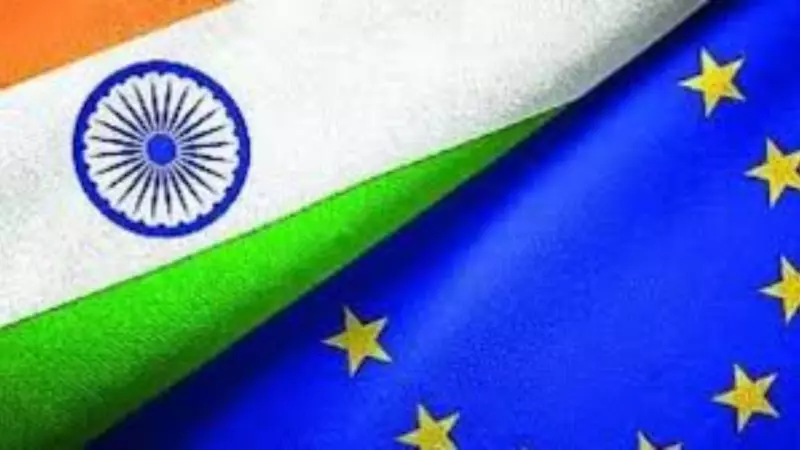
In a significant move to bolster economic ties, India and the European Union have re-engaged in high-level negotiations for a comprehensive free trade agreement. The latest round of talks is currently underway in Brussels, Belgium, marking a crucial step in a process that has seen intermittent progress over the years.
High-Level Engagement in Brussels
The discussions are being led by senior officials from both sides. Representing India is Commerce Secretary Sunil Barthwal, while the European Union's delegation is headed by its Chief Trade Negotiator. This high-level engagement underscores the political will on both sides to overcome longstanding hurdles and forge a mutually beneficial pact.
The negotiations aim to create a Free Trade Agreement (FTA), officially known as a Broad-based Trade and Investment Agreement (BTIA). This ambitious deal seeks to dramatically reduce or eliminate tariffs on a vast majority of goods traded between the two economies, streamline regulatory procedures, and open up markets for services and investments.

Key Sticking Points and Areas of Focus
While both India and the EU are keen to finalize an agreement, several complex issues remain on the table. A primary focus of the Brussels talks is on achieving a balanced outcome on market access for goods, services, and public procurement.
The EU is particularly interested in greater access to India's sizable market for products like automobiles, wines and spirits, and dairy. It also seeks strong protections for Geographical Indications (GIs), which would safeguard the identity of European products like Champagne or Parmesan cheese.
On the other hand, India is pushing for the EU to grant "data secure" status, a crucial designation that would ease cross-border data flows and benefit India's robust IT and services sector. Additionally, India seeks more liberal access for its skilled professionals in sectors like IT, healthcare, and engineering to work in EU nations. Other sensitive areas include:
- Reducing tariffs on industrial goods.
- Addressing the EU's carbon border tax mechanism.
- Aligning standards and sanitary measures.
A Strategic Partnership with Major Economic Stakes
The resumption of talks highlights the strategic importance of the economic relationship. The European Union is one of India's largest trading partners. In the fiscal year 2023-24, two-way trade between India and the EU stood at approximately $135 billion. A successful FTA has the potential to significantly boost this figure, creating new opportunities for businesses and strengthening supply chain resilience.
This negotiation is part of India's broader strategy to cement comprehensive trade agreements with key global partners. Success with the EU would follow recent deals with countries like the UAE and Australia, positioning India as an integral player in global trade networks.
The outcome of the Brussels talks will be closely watched by industry bodies and exporters on both sides. While a final agreement may not be imminent, this round represents a vital effort to bridge differences and build momentum towards a historic trade partnership between the world's largest democracy and one of its biggest economic blocs.