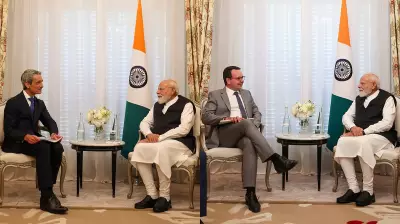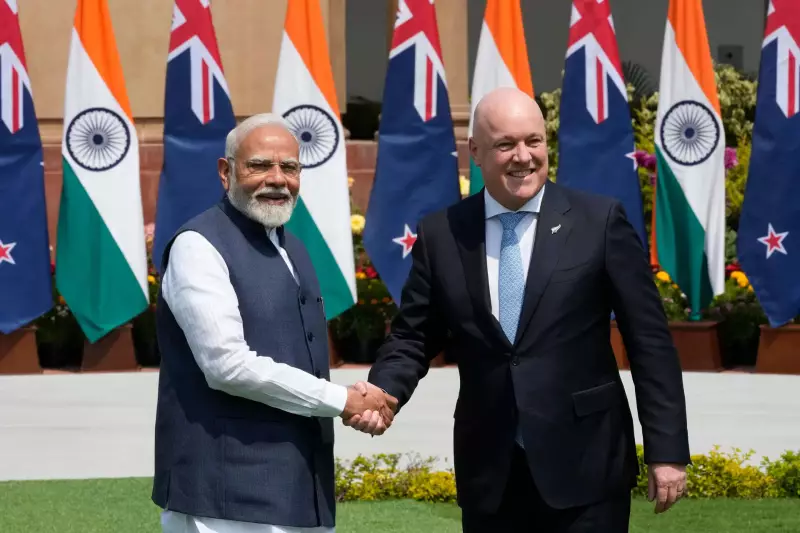
In a significant diplomatic and economic milestone, India and New Zealand have successfully concluded negotiations for a comprehensive Free Trade Agreement (FTA). The pact was officially announced on Monday following a pivotal phone conversation between Prime Minister Narendra Modi and his New Zealand counterpart, Christopher Luxon.
A Historic and Ambitious Partnership
The two leaders hailed the India–New Zealand Free Trade Agreement as a historic, ambitious, and mutually beneficial arrangement. They expressed confidence that it will serve as a powerful catalyst for enhancing trade, investment, innovation, and shared opportunities between the two nations. The agreement, which saw negotiations begin in March this year, was wrapped up in a record nine months, a timeline that underscores the strong political will and shared ambition to deepen ties.
Prime Minister Luxon, in a post on social media platform X, emphasised the deal's domestic benefits, stating it would mean "more Kiwi jobs, higher wages and more opportunities for hard working New Zealanders." He highlighted the access to India's 1.4 billion consumers for New Zealand businesses, calling India "one of the fastest-growing economies in the world."

Key Economic and Strategic Highlights of the FTA
The FTA is poised to profoundly reshape the economic engagement between India and New Zealand. A major commitment under the pact is $20 billion in investment from New Zealand into India over the next 15 years. Both governments are optimistic that bilateral trade could double within the next five years as a direct result of this agreement.
A cornerstone of the deal is its extensive focus on services and mobility. India has secured substantial market access in New Zealand across 118 services sectors and sub-sectors. Furthermore, Indian service providers will receive Most Favoured Nation (MFN) treatment in 139 services sectors, a major boost for professionals and companies looking to operate in the New Zealand market. In a unique first for New Zealand, the FTA includes an annex on health and traditional medicine services, facilitating trade in these specialised areas.
On the goods front, the agreement mandates the elimination or reduction of tariffs on 95% of New Zealand’s exports to India, representing one of the highest coverage levels in any Indian FTA. The benefits are immediate for a large portion of goods, with 57% of exports becoming duty-free from day one. This figure will rise to 82% upon full implementation, with the remaining 13% seeing significant tariff cuts.
Broader Bilateral Cooperation and Future Outlook
Beyond trade, the two leaders also welcomed positive developments in other areas of bilateral cooperation, including defence, sports, education, and people-to-people connections. The successful conclusion of the FTA, initiated during Luxon's visit to India, marks the beginning of a new phase in the strategic partnership.
The agreement is designed to unlock new avenues for innovators, entrepreneurs, farmers, MSMEs, students, and youth in both countries across multiple sectors. As the partnership enters this transformative stage, Prime Minister Modi and Prime Minister Luxon have agreed to remain in close contact to steer the relationship towards greater shared prosperity.