India-US Trade Agreement's GM Animal Feed Provision Ignites Controversy
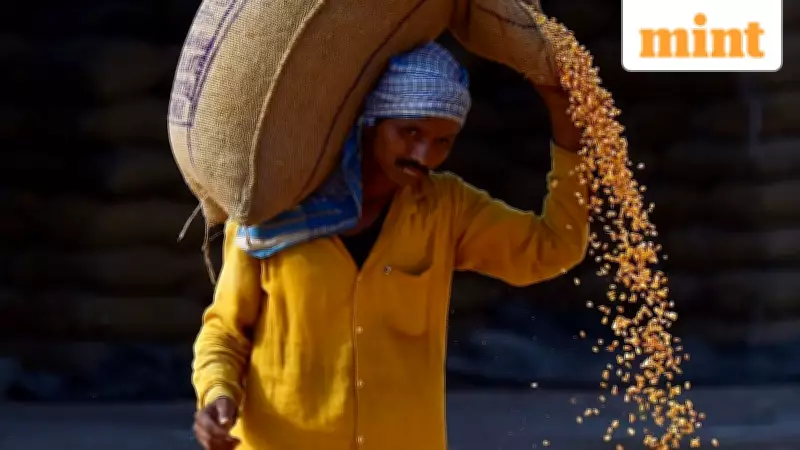
Under an interim trade agreement with the United States, India has permitted the import of distillers dried grain with solubles (DDGS), an animal feed derived from genetically modified (GM) corn. This move has rekindled longstanding debates over the use of transgenic technologies in agriculture, while also raising concerns about potential impacts on domestic farm gate prices for soy and corn producers.
What is DDGS and Why Does It Matter?
DDGS is a protein-rich byproduct generated during ethanol production from grains such as corn and rice. In the United States, ethanol manufacturing predominantly relies on GM corn, making DDGS a GM-based feed used for cattle, poultry, and fisheries. In contrast, Indian ethanol producers utilize non-GM corn and rice to create DDGS. The trade deal allows for duty-free imports of DDGS in limited quantities, though India has not granted direct market access for US-grown GM soybean and maize.
This development is significant because it represents an indirect entry point for GM products into India's agricultural sector. While India already imports GM soybean oil from countries like Brazil and Argentina, the inclusion of DDGS adds a new dimension to the GM debate, particularly as India has only approved GM cotton for cultivation to date, withholding approval for food crops.

Political and Agricultural Objections
The decision has faced criticism from various quarters. Congress lawmaker and former environment minister Jairam Ramesh has labeled it a 'backdoor entry' for GM crops into the food chain. Additionally, the Bharatiya Kisan Sangh, a farmer union affiliated with the Rashtriya Swayamsevak Sangh, has voiced objections to DDGS imports.
Experts warn that imported DDGS could depress farmgate prices for Indian farmers growing soybean and corn, which are primary ingredients in domestic animal feed production. Furthermore, Indian ethanol manufacturers may see reduced profitability as they compete with cheaper, higher-quality US-origin DDGS, which boasts lower levels of aflatoxins, a harmful fungus.
Impact on Dairy and Safety Regulations
Research indicates that using GM-based feed does not transfer foreign genes to milk, alleviating some consumer concerns. The European Union permits GM feed imports for dairy cattle, requiring labeling when GM materials exceed 0.9% in feed or food items. In India, the Food Safety and Standards Authority mandates GM-free certificates for imports of 24 food items, including soy and corn, but this list does not cover GM-origin soybean oil or DDGS, creating a regulatory gap.
Economic Implications and Trade Balance
Currently, corn-based DDGS from Indian producers is cheaper than imported alternatives, suggesting limited immediate import volumes. However, the superior quality of US DDGS may attract Indian feed makers over time. Overall, the trade deal appears balanced for Indian farmers, as it avoids imports of high-yield US corn, soy, ethanol for fuel, dairy products, and cereals. India has also secured benefits by lowering duties on key exports like shrimps, coffee, and rice, while protecting apple growers with import duties and minimum import prices. The agreement is unlikely to worsen India's $3.8 billion agricultural trade surplus with the US in 2024.
Unresolved Issues and Future Negotiations
Several aspects of the trade negotiations remain unclear. For instance, it is uncertain whether India will reduce or eliminate the current 16.5% duty on crude soybean oil imports. The interim agreement promises tariff reductions on 'additional products,' but these items are unspecified. Moreover, India has committed to addressing non-tariff barriers for US agricultural products, which could involve quotas, safety standards, and GM-related regulations. The final agreement will provide clarity on these points, shaping the future of Indo-US agricultural trade.