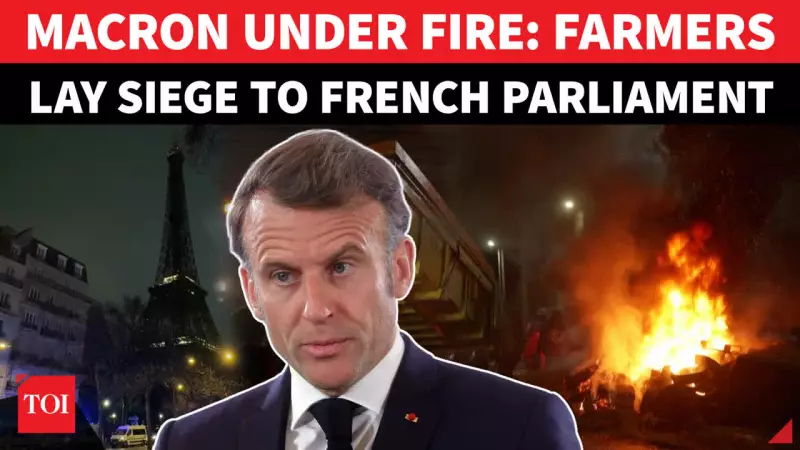
In a dramatic escalation of agricultural unrest, dozens of French farmers have driven their tractors into the heart of Paris, defying government bans and setting the capital on edge. The protests, which took place on January 9, 2026, are a direct challenge to President Emmanuel Macron's government and its stance on a looming European Union free trade agreement.
Why Farmers Are Up in Arms
The core of the farmers' fury is the proposed EU free trade pact with the South American Mercosur bloc, which includes nations like Brazil and Argentina. Protesters argue that the deal would be catastrophic for French agriculture, flooding the market with cheaper imports that do not meet the same environmental and quality standards upheld by local farmers. They fear it will lead to unfair competition and devastate their livelihoods.
Convoys of tractors managed to breach city limits and roll into the capital despite official prohibitions. The demonstrations reached a fever pitch outside the French parliament, where a significant police presence was deployed to maintain order. The farmers directed their anger not only at the EU but also at President Emmanuel Macron and Agriculture Minister Annie Genevard, whom they accuse of failing to protect their interests.

A Capital Under Pressure
The scenes in Paris were tense, with the symbolic power of tractors rumbling through city streets highlighting the depth of rural discontent. The timing of the protest is critical, as EU negotiations on the Mercosur deal are set to resume, with a potential signing date drawing closer. This has put immense pressure on the French government to take a firm stand and renegotiate terms that safeguard its agricultural sector.
The protest is more than a one-day event; it signifies a growing chasm between the French political establishment in Paris and the agricultural heartlands. Farmers feel their voices are being ignored on an issue that threatens their very existence.
What Comes Next for France and the EU?
The storming of Paris by tractors sends a clear, uncompromising message to the Élysée Palace. The French government now finds itself in a difficult position, caught between its commitments to the European Union's trade ambitions and the fierce opposition from a vital domestic constituency. As the deadline for the trade deal looms, pressure is mounting on Macron's administration to act decisively.
The outcome of this standoff will have significant implications. It could influence the final shape of the EU-Mercosur agreement or even force France to block it altogether. The protests underscore a broader European debate about globalization, food sovereignty, and the future of farming.