In a landmark development for India's economic landscape, the European Free Trade Association (EFTA) has committed to a massive $100 billion investment in the country. This historic commitment comes as part of the recently concluded Trade and Economic Partnership Agreement (TEPA) between India and the four-nation European bloc.
Historic Trade Deal Finalized After 16 Years
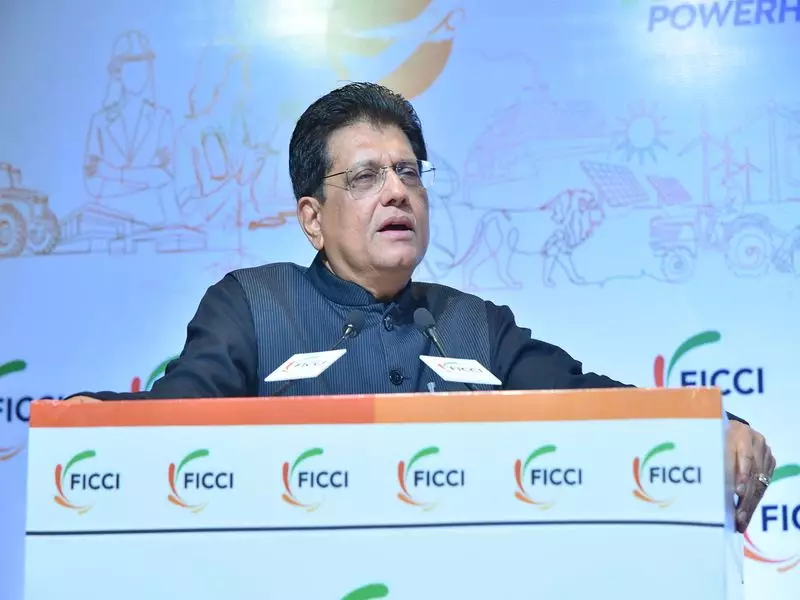
Commerce and Industry Minister Piyush Goyal announced the groundbreaking agreement, revealing that EFTA nations have pledged to invest $100 billion in India over the next 15 years. This monumental deal was finalized after nearly 16 years of negotiations, marking one of the most significant trade partnerships in India's recent history.
The EFTA bloc comprises four European nations: Switzerland, Norway, Iceland, and Liechtenstein. This agreement represents a major boost for India's manufacturing and innovation sectors, with the investment expected to generate approximately 1 million jobs across various industries.

Focus Areas and Sectoral Impact
The massive investment will primarily target innovation and precision manufacturing sectors, aligning with India's vision of becoming a global manufacturing hub. The funds will flow into key areas including engineering, manufacturing, machinery, and pharmaceuticals - sectors where EFTA nations have significant expertise and India has demonstrated strong growth potential.
Minister Goyal emphasized that this agreement goes beyond traditional free trade deals by incorporating binding commitments on investment and job creation. The $100 billion investment commitment is legally binding, ensuring that India receives substantial economic benefits in return for providing market access to EFTA countries.
Mutual Benefits and Economic Implications
This partnership creates a win-win situation for both India and EFTA nations. While India gains access to massive investments and advanced European technology, EFTA countries secure preferential access to one of the world's fastest-growing large economies with a consumer market of 1.4 billion people.
The agreement includes provisions for duty-free access for a wide range of Indian products to EFTA markets, including key agricultural items and industrial goods. This will significantly boost India's export potential to these developed European economies.
For Indian consumers, the deal promises access to high-quality products from EFTA nations at more competitive prices, while Indian businesses will benefit from technological transfers and partnerships with European companies.
Implementation and Future Prospects
The implementation of this agreement is expected to begin soon, with both parties working on the final legal formalities. The investment will be spread across 15 years, providing sustained economic stimulus and creating long-term employment opportunities.
This deal positions India as an increasingly attractive investment destination and strengthens its position in global trade negotiations. It also sets a new benchmark for future trade agreements, combining market access with concrete investment commitments.
The successful conclusion of the EFTA-India trade agreement demonstrates New Delhi's growing confidence in negotiating favorable terms with developed economies while protecting domestic interests and promoting job creation.