China is actively propping up the global oil market through substantial strategic purchases. Analysts confirm that without Beijing's intervention, crude prices would have plummeted much further. The world's largest oil importer has become the decisive factor between market stability and collapse.
Opportunistic Buying Strategy
China has been buying oil aggressively whenever prices dip. "They know they are vulnerable," explained John Kilduff, a partner at Again Capital. The country imports about seventy-five percent of the oil it consumes. This vulnerability drives their strategy to stockpile during periods of low prices.
For most of last year, China added an average of nine hundred thousand barrels per day to its strategic reserves. These purchases directly counterbalanced record U.S. production and OPEC+ returning supply to the market. "China is why oil isn't $40 and why it's now around $60 again," stated Bart Melek, global head of commodities research at TD Securities.

Geopolitical Motivations
Experts point to growing tensions with the United States as a key motivator. China's ambitions regarding Taiwan and broader geopolitical rivalries create a pressing need for energy security. The strategic reserve acts as a crucial buffer against potential supply disruptions.
"Given the fraught world right now, I don't think there's anything to indicate that they're going to slow these purchases," said Helima Croft, head of global commodities strategy at RBC. The Chinese government worries about supply shocks, especially those stemming from potential conflict with America.
Navigating Sanctions and Market Complexities
The market presents a complex picture. China remains the biggest buyer of Venezuelan crude, though these imports constitute a small fraction of its total needs. Simultaneously, the country has been a major purchaser of Iranian oil. Both nations are under stringent U.S. and European sanctions.
Recent activity shows a nuanced approach. Matt Smith, a Kpler analyst, noted, "It appears that the Chinese are neglecting sanctioned barrels and buying other crude in the market." This selective purchasing depresses prices for sanctioned oil while supporting the broader market.
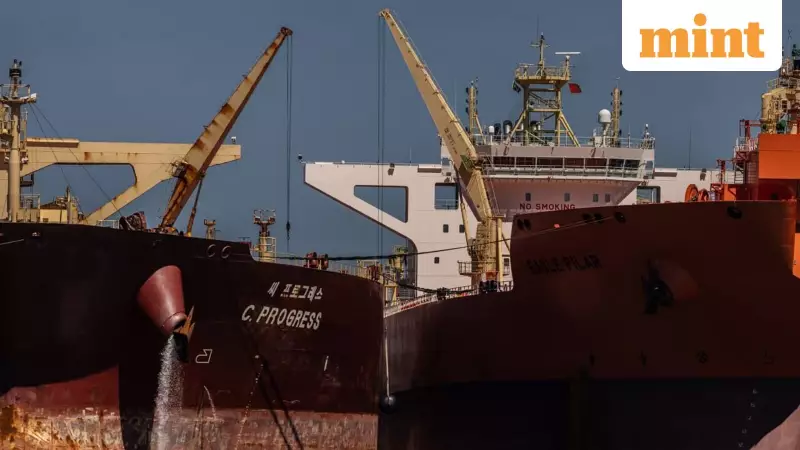
Approximately seventeen million barrels of oil are currently sitting in tankers near Venezuela, with a similar volume anchored off China and Malaysia. Many of these are sanctioned barrels from Iran and Venezuela, highlighting the shadowy side of global oil trade.
The Trump Factor and Future Outlook
Former President Donald Trump's actions have significantly influenced China's strategy. His administration's control over Venezuela's oil supply and seizure of sanctioned tankers raised tensions. Ed Morse, a global commodities strategist, observed that Chinese state-owned companies have recently avoided sanctioned oil, leaving it to independent firms, possibly to avoid provoking the U.S.
"The Chinese government didn't want to cross Trump," Morse said. However, he expects purchases to rebound strongly due to concerns over Trump's global actions. China could increase strategic reserve buying to one million barrels or more per day.
Beijing maintains secrecy around its reserves, offering only general guidance. Morse anticipates clearer signals from China later this quarter. "They are the swing between it being a loose market and a tight market," he concluded. "They are likely to keep it a tighter market."
Despite a twenty percent fall in oil prices over the past year, energy stocks have shown resilience. The S&P energy sector remains up by about four percent. West Texas Intermediate futures recently traded just above sixty-one dollars, a level sustained in part by China's ongoing market support.