Canada has made a significant policy shift by removing the 100% tariffs it previously imposed on electric vehicles manufactured in China. This decision opens the door for Chinese-made EVs to enter the Canadian market under new terms.
New Import Quota and Tariff Structure
Under the agreement announced last week, Canada will now permit the import of up to 49,000 vehicles from China each year. These imports will face a reduced tariff of 6.1%, which aligns with most-favoured nation terms. Canadian Prime Minister Mark Carney, who recently concluded a visit to China, indicated that this annual quota could potentially increase to 70,000 vehicles within the next five years.
Tesla's Strategic Advantage
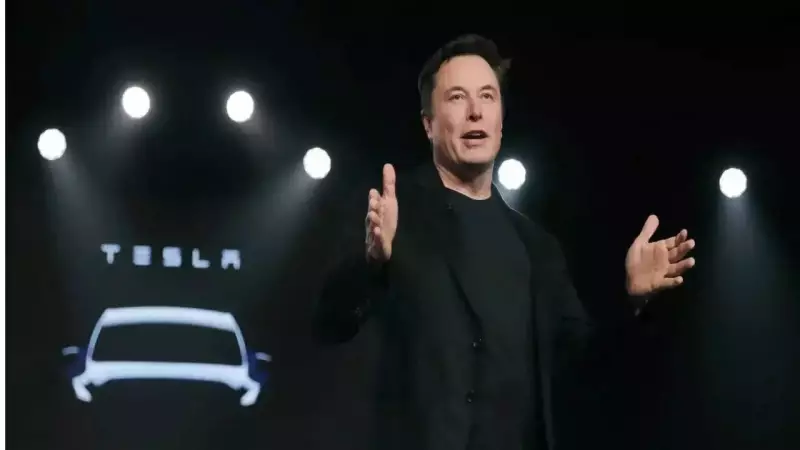
Elon Musk's Tesla appears well-positioned to be one of the first automakers to capitalize on this new arrangement. According to a Reuters report, Tesla's early initiatives to export vehicles from its Shanghai facility to Canada, combined with its already established sales network in the country, provide the company with a distinct head start.

In 2023, Tesla configured its Shanghai plant, its largest and most cost-effective factory globally, to produce a Canada-specific version of its Model Y. The company began shipping these vehicles from Shanghai to Canada that same year. This move contributed to a dramatic 460% year-over-year increase in Canadian automobile imports from China through the port of Vancouver, reaching 44,356 units in 2023.
However, Tesla was compelled to halt these exports in 2024 after Canada implemented the 100% tariffs, a measure the country said was intended to counter what it described as China's state-directed policy of industrial overcapacity. Since then, Tesla has been supplying the Canadian market with Model Ys manufactured at its Berlin factory and other models from its US plants.
The Price Clause and Market Competition
The new agreement includes a specific clause that could shape market dynamics. Half of the annual import quota, approximately 24,500 vehicles, is reserved for electric cars priced under 35,000 Canadian dollars, roughly equivalent to $25,000 USD.
This price point presents a potential limitation for Tesla, as all its current models are priced above this threshold. This stipulation may restrict the company's ability to fully utilize the available import quota under the new policy.
Sam Fiorani, Vice President of research firm AutoForecast Solutions, told Reuters that this new agreement could enable a relatively quick resumption of Tesla's exports from China to Canada. He highlighted Tesla's existing infrastructure advantage, noting the company operates 39 retail stores across Canada. In contrast, major Chinese competitors like BYD and Nio have not yet established a sales presence in the country.
The report further suggests Tesla can execute marketing plans more swiftly due to its streamlined product lineup. The company currently offers only four core models, which is far fewer than the extensive ranges typically presented by Chinese automakers.
"Tesla indeed has an advantage with its offering of a few models, versions and simple production lines so that it can be flexible to sell cars produced in any country in any market to achieve the best cost efficiency," Yale Zhang, Managing Director at Shanghai-based consultancy AutoForesight, explained to Reuters.
Opportunities for Chinese Automakers
While Tesla holds an early lead, the policy change also creates significant opportunities for Chinese EV brands. The price clause reserving half the quota for lower-cost vehicles is seen as particularly favorable for these manufacturers.
"The beneficiaries are likely to be Chinese automakers and the Canadian customers looking for an entry-level vehicle," Sam Fiorani added in his comments to Reuters.
John Zeng, Head of Market Forecast for China at London-based consultancy GlobalData, noted that the quota system provides Chinese carmakers with a valuable chance to test the Canadian market. He pointed out the presence of a large Chinese Canadian population as a potential supportive factor for these brands.
Broader Industry and Political Context
Other automakers that had been exporting China-made vehicles to Canada before the tariffs were imposed include Volvo and Polestar, both of which are owned by China's Geely automotive group.

Looking ahead, Canada has expressed interest in exploring joint ventures and investments with Chinese companies. According to a report by the Canadian public broadcaster CBC, citing a senior Canadian official, the country aims to collaborate with Chinese expertise within the next three years to develop and build an electric vehicle in Canada.
China's leading EV manufacturer, BYD, already maintains a footprint in Canada through an electric bus assembly plant located in Ontario.
This policy shift by Canada stands in contrast to the stance of the United States. The former Biden administration increased tariffs on Chinese EVs to 100% in 2024, effectively blocking such exports to the US market. Officials from the Trump administration have publicly criticized Canada's decision to remove its tariffs.
The removal of tariffs marks a pivotal moment for the electric vehicle industry in North America, setting the stage for increased competition and potentially more affordable EV options for Canadian consumers.