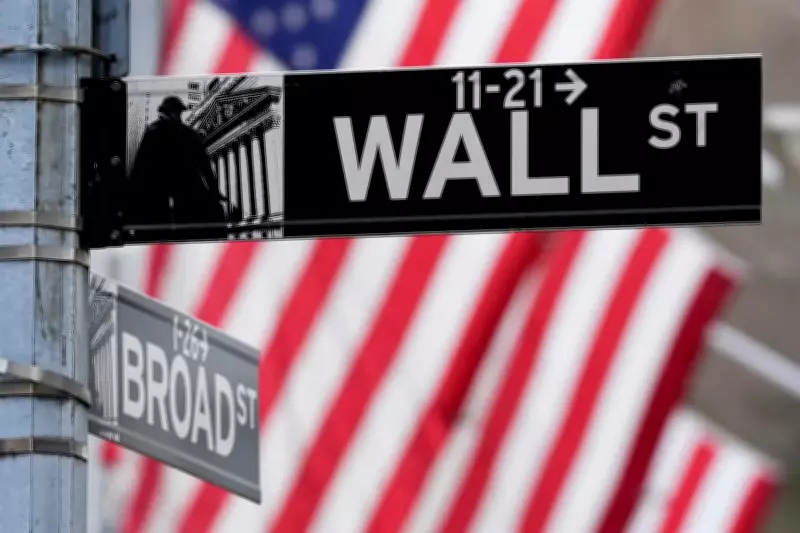
Wall Street Surges as Iran Ceasefire Extension Calms Investor Nerves
Wall Street opened firmly in positive territory on Wednesday, buoyed by significant geopolitical developments that alleviated immediate concerns over escalating tensions. The key catalyst was news that US President Donald Trump had agreed to extend the ceasefire with Iran, providing a temporary reprieve from fears of a broader military confrontation. This move injected optimism into financial markets, with major indices recording substantial gains during the trading session.
Market Performance and Key Indices
As of 7:17 pm Indian Standard Time, the Dow Jones Industrial Average had climbed by an impressive 320 points, representing a gain of 0.65%, to settle at 49,469. The technology-focused Nasdaq Composite Index demonstrated even stronger momentum, jumping 200 points or 0.8% to reach 24,460. Meanwhile, the broader S&P 500 index touched 7,113, adding 49 points or 0.7% to its value. This coordinated rally across major benchmarks reflected widespread relief among investors regarding the de-escalation of Middle Eastern tensions.
Geopolitical Context and Diplomatic Developments
According to an exclusive report from Axios citing three US officials, President Trump has reportedly granted Iran a limited window of "three to five days" to formulate a unified proposal for substantive negotiations. American officials have indicated that the current ceasefire extension will not continue indefinitely, emphasizing the temporary nature of this diplomatic breathing space. Market participants interpreted this development as encouraging evidence that both nations remain committed to dialogue rather than immediate military action.

Investor sentiment clearly indicated that financial markets are placing their bets on a negotiated resolution to the longstanding tensions between the United States and Iran, rather than anticipating a prolonged and disruptive military conflict. The prospect of continued diplomatic engagement provided much-needed stability to global risk assets, particularly equities that had been vulnerable to geopolitical shocks.
Persistent Underlying Risks and Economic Concerns
Despite the positive market reaction, several underlying risks continued to weigh on the broader economic outlook. Oil prices remained stubbornly close to $100 per barrel, maintaining concerns about a potential resurgence in inflationary pressures. Elevated energy costs pose significant challenges for both consumers and businesses, potentially eroding purchasing power and corporate profit margins. Market analysts cautioned that while the ceasefire extension provided temporary relief, fundamental tensions in the region could resurface, creating volatility in commodity markets.
Corporate Earnings Season Provides Additional Support
On the corporate front, the ongoing earnings season gathered considerable momentum, offering supplementary support to equity valuations. Strong financial results reported by numerous companies have helped reinforce confidence in the resilience of the US consumer, widely regarded as the backbone of sustained economic expansion. Data from Goldman Sachs revealed that earnings per share forecasts for the S&P 500 in 2026 and 2027 have risen by approximately 4% since late January, indicating improving corporate profitability expectations.
Notable Individual Stock Movements
Several prominent companies recorded significant share price movements during premarket trading activity:

- GE Vernova jumped 7.5% after the company raised its full-year revenue outlook, signaling stronger-than-anticipated business performance.
- Boston Scientific edged up 1.3%, reflecting steady investor confidence in the healthcare sector.
- United Airlines gained 1.2% following the release of its first-quarter results, which demonstrated recovery in travel demand.
- Boeing shares advanced 3.9% after reporting a quarterly loss that was smaller than analysts had anticipated, suggesting potential stabilization in its operations.
These individual stock performances contributed to the broader market optimism, highlighting how corporate fundamentals combined with geopolitical developments to create a favorable trading environment. The convergence of diplomatic progress and strong earnings reports created a powerful catalyst for equity appreciation, though market participants remained vigilant about potential disruptions to this positive momentum.