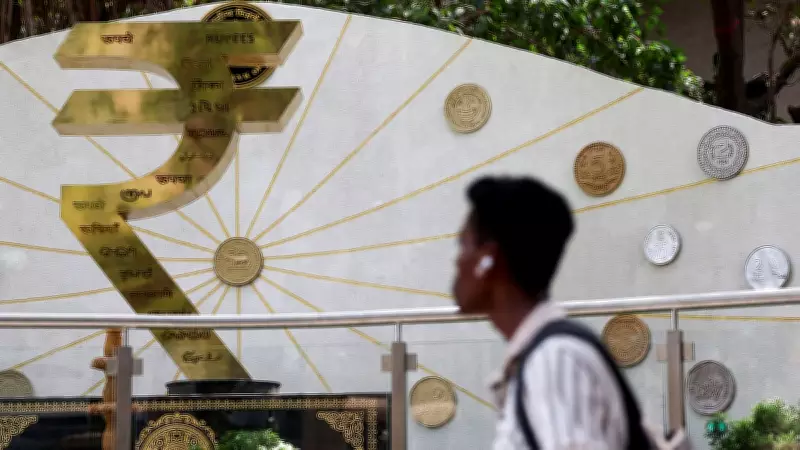
Indian Rupee Plunges to Historic Low Against US Dollar
The Indian rupee experienced a significant decline on March 27, 2026, falling by 86 paise to settle at a fresh all-time low of 94.82 against the US dollar. This sharp drop marks a concerning milestone for the domestic currency, reflecting ongoing pressures in the financial markets.
Key Factors Driving the Rupee's Decline
Forex traders have identified two primary factors contributing to the rupee's weakness. First, a sharp decline in domestic equity markets created a negative sentiment, reducing investor confidence in Indian assets. Second, sustained outflows by foreign institutional investors (FIIs) have put additional downward pressure on the local unit, as capital exits the country in search of safer havens or higher returns elsewhere.
The combination of these elements has exacerbated the rupee's depreciation, leading to its record-low closing level. Market analysts note that such movements are often influenced by global economic conditions, including US monetary policy and geopolitical tensions, which can affect currency valuations.

Implications for the Economy and Markets
A weaker rupee can have mixed effects on the Indian economy. On one hand, it may boost exports by making Indian goods cheaper for foreign buyers, potentially aiding sectors like manufacturing and IT services. On the other hand, it increases the cost of imports, such as crude oil and electronics, which could fuel inflation and strain household budgets.
Investors and policymakers are closely monitoring the situation, as prolonged currency weakness might necessitate interventions by the Reserve Bank of India (RBI) to stabilize the forex market. The RBI has tools like foreign exchange reserves to manage volatility, but sustained pressure could challenge its efforts.
Market Reactions and Future OutlookFollowing the rupee's fall, domestic stock markets also showed signs of strain, with key indices like the Sensex and Nifty experiencing declines. This correlation highlights the interconnectedness of currency and equity markets in India. Experts suggest that the rupee's trajectory will depend on factors such as:
- Global risk appetite and investor sentiment towards emerging markets.
- Domestic economic indicators, including GDP growth and inflation rates.
- Actions by the RBI and government to attract foreign investment.
As of now, the trend indicates continued volatility, with traders advising caution in forex dealings. The rupee's performance against the dollar will be a key metric to watch in the coming weeks, especially if FII outflows persist or equity markets fail to recover.