

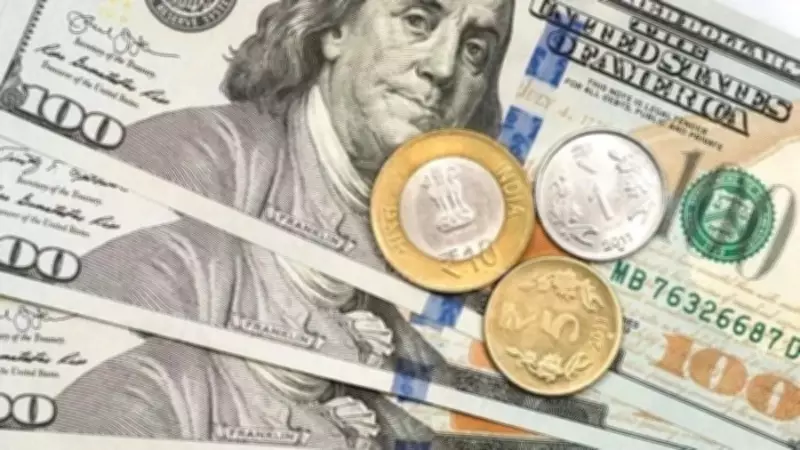
Indian Rupee Tumbles to Unprecedented Intra-Day Low Against US Dollar
The Indian rupee experienced a sharp decline in trading today, plummeting to an all-time intra-day low of 92.36 against the US dollar. This historic drop underscores the mounting pressures on the currency amid a volatile global economic landscape.
Key Factors Driving the Rupee's Depreciation
Several critical elements have converged to push the rupee to this record low. Strong demand for the US dollar from importers and corporates has been a primary driver, as businesses seek to hedge against further currency fluctuations. Additionally, global economic uncertainties, including geopolitical tensions and shifts in monetary policies by major central banks, have heightened market volatility, impacting emerging market currencies like the rupee.
Domestic factors also play a role, with concerns over inflation and fiscal deficits adding to the downward pressure. The rupee's performance is closely watched as it affects import costs, foreign investment flows, and overall economic stability.

Market Reactions and Implications
The rupee's slide to 92.36 has triggered significant reactions in financial markets. Traders and investors are closely monitoring the situation, with potential implications for:
- Import Costs: A weaker rupee makes imports more expensive, which could lead to higher prices for goods and services, contributing to inflationary pressures.
- Foreign Investment: Currency volatility may deter foreign investors, affecting capital inflows and stock market performance.
- Economic Policy: The Reserve Bank of India (RBI) might intervene to stabilize the currency, using forex reserves or policy adjustments to manage the depreciation.
Analysts note that while intra-day lows can be temporary, sustained weakness could pose challenges for India's economic recovery post-pandemic. The rupee has been under pressure in recent months, with this new low highlighting ongoing vulnerabilities.
Historical Context and Future Outlook
This intra-day low of 92.36 marks a significant milestone in the rupee's trajectory against the dollar. Historically, the currency has faced similar pressures during periods of global economic stress, such as the 2008 financial crisis and the COVID-19 pandemic. However, the current decline is notable for its speed and depth, reflecting broader market anxieties.
Looking ahead, experts suggest that the rupee's fate will depend on multiple factors, including:
- US Federal Reserve Policies: Interest rate decisions and monetary tightening in the US can strengthen the dollar, further pressuring the rupee.
- Domestic Economic Indicators: India's GDP growth, inflation rates, and fiscal health will influence investor confidence and currency stability.
- Global Events: Geopolitical developments and commodity price shifts, especially in oil, could impact forex markets.
In conclusion, the rupee's fall to 92.36 against the dollar is a stark reminder of the interconnectedness of global economies. Stakeholders, from policymakers to businesses, must navigate this volatility carefully to mitigate risks and support sustainable growth. As markets adjust, continued monitoring and adaptive strategies will be crucial in managing currency fluctuations in the coming months.






