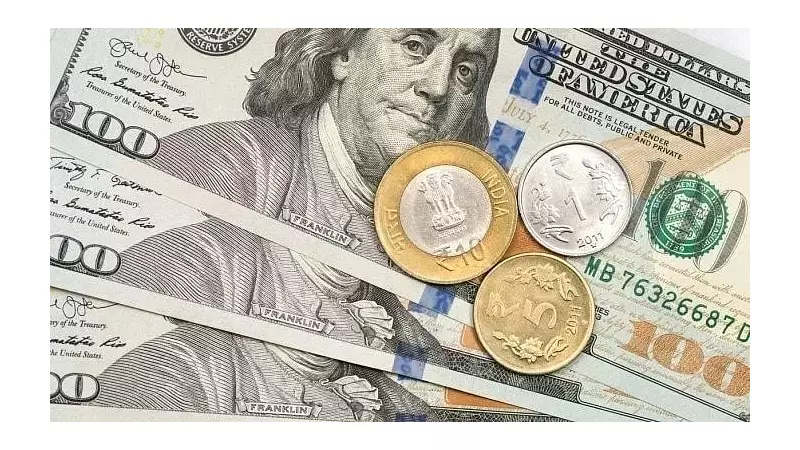
The Indian rupee opened weaker against the US dollar on Monday, January 12, 2026, extending recent losses amid a cloud of global uncertainty. The domestic currency declined by 5 paise in early trading sessions, settling at 90.23 against the greenback.
Geopolitical Tensions and Trade Fears Drive Sell-Off
According to insights from forex traders, the primary pressure on the rupee stemmed from a combination of external factors. A volatile geopolitical situation in key regions has heightened risk aversion among global investors, prompting a flight to safer assets like the US dollar. Compounding this pressure are growing concerns over further US tariffs on Indian exports. These twin fears have significantly dampened market sentiment.
Foreign Investors Exit Indian Stocks
The immediate market reaction to these headwinds was a noticeable sell-off in Indian equities by foreign institutional investors (FIIs). This selling activity in the stock market creates a direct demand for US dollars as these investors repatriate funds, thereby exerting downward pressure on the rupee's value. The trend underscores how global capital flows can swiftly impact domestic currency markets.

Market Outlook and Potential Implications
The rupee's movement at 90.23 against the dollar sets a cautious tone for the trading week. Analysts will be closely monitoring statements from both diplomatic and trade corridors for any developments that could ease the geopolitical and tariff-related anxieties. Persistent selling by foreign funds could lead to continued volatility in the forex trade market. For the Indian economy, a sustained weaker rupee has mixed effects, making imports more expensive while potentially boosting export competitiveness, provided tariff barriers do not escalate.
The early trade data on January 12 highlights the Indian currency's sensitivity to global risk factors and international trade policies. Market participants are advised to watch for key triggers that could influence direction in the coming days.