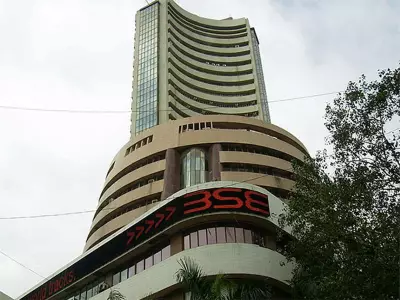
Indian stock markets displayed a muted performance throughout the week. Investors carefully analyzed the initial batch of December-quarter earnings reports. They found little clear direction to establish new positions in the coming days.
Key Indices Close Flat
The benchmark Nifty 50 index concluded the week at 25,693.85 points. The BSE Sensex finished at 83,556.87 points. Global market volatility eroded investor confidence during this period. This uncertainty triggered profit booking, which effectively capped any potential gains for the week.
Sectoral Performance Highlights
Market activity remained highly selective. Buying interest concentrated on specific heavyweight stocks, while broader sentiment stayed cautious. The metals sector emerged as the top performer, registering nearly 5% weekly gains. The information technology sector followed closely with a 2.7% increase.

Infosys provided a significant boost to the tech sector. Its shares jumped 5.6% on Friday alone. This surge followed the company's better-than-expected quarterly results. Infosys also revised its full-year revenue guidance upward, pleasing investors.
Banking stocks rose approximately 2% during the week. Several mid-cap lenders delivered stronger-than-anticipated Q3 performances. These banks showed improving asset quality and better margins, which supported the sector.
However, not all sectors shared in the gains. Capital goods, consumer durables, and realty remained under pressure. Their weakness helped keep the broader market locked within a narrow trading range.
External Factors Influencing Sentiment
Two external developments provided a mild lift to market sentiment. On January 15, the commerce secretary announced that the first phase of the India-US trade deal was nearing finalization. Separately, easing tensions between the United States and Iran also soothed some investor nerves. Reports indicated Washington assured Tehran of no imminent military strikes.
India Lags Behind Emerging Market Peers
A cautious tone persists in domestic markets partly due to a performance gap. India is currently lagging behind other emerging markets in attracting foreign investment. South Korea and Taiwan have emerged as top gainers, drawing foreign capital inflows for three consecutive weeks.
Robin Arya, smallcase manager and founder at Sebi-registered firm GoalFi, explained this trend. He noted that South Korea and Taiwan sit at the heart of the artificial intelligence hardware and semiconductor value chain. These regions benefit from sustained earnings upgrades and solid order books.
Arya added that India faces challenges from foreign investor outflows and lingering doubts about corporate earnings. The country's limited exposure to the artificial intelligence sector further compounds these issues.
Earnings Analysis and Market Outlook
Analysts expect market sentiment to remain fragile. They see potential for further downside, cautioning that the Q3 earnings season may not yet signal a broad-based economic upcycle.
A recent analysis of 82 companies that declared Q3 results reveals a mixed picture. Combined profits for these firms fell 5.4% year-on-year, marking a seven-quarter low. In contrast, revenue growth hit a five-quarter high of 14%, although this came from a relatively low base.
Analysts anticipate stock-specific movements will dominate the market in the near term. This trend was evident this week with stocks like Groww and State Bank of India.
Stock-Specific Action
Both Groww and State Bank of India outperformed the broader market over the past month. Groww gained 8% this week, while SBI rose 4%.
Groww's rally received support from multiple factors. State Street Global Advisors invested ₹580 crore in its asset management business. The company also posted stronger-than-expected Q3 numbers and received bullish views from brokerages. This positive momentum occurred despite heightened volatility since its listing two months ago.
Robin Arya offered a note of caution regarding capital market-linked stocks. He stated their earnings will likely remain cyclical, moving in line with overall market volumes and sentiment. Arya emphasized that valuations are expensive across the board, making careful stock selection and clear earnings visibility crucial for investors.

State Bank of India, meanwhile, has established itself differently. Arya noted that SBI is emerging as a core long-term investment for many rather than a short-term tactical trade. Investors show confidence in the bank's improving asset quality, stable margins, solid balance-sheet metrics, and consistent profitability. This confidence propelled the stock to a 52-week high during the week.
Looking Ahead
Markets are expected to remain range-bound in the coming week. The ongoing Q3 results season and progress on the India-US trade deal will likely drive stock-specific action. However, geopolitical tensions continue to loom as a key overhang on investor sentiment.