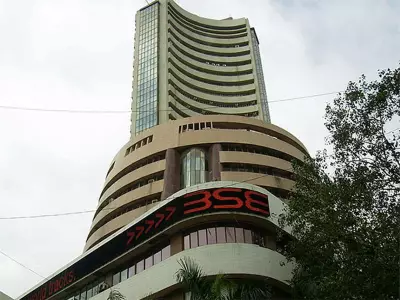
Budget 2026 Prompts Sunday Trading for Indian Stock Market
The National Stock Exchange made a significant announcement this week. Indian stock markets will remain open on Sunday, February 1, 2026. This unusual trading day occurs because of the Union Budget presentation for the fiscal year 2026-2027.
NSE Confirms Special Trading Session
NSE officials confirmed the decision to keep markets operational on that Sunday. The move ensures that investors can react immediately to budget announcements. Market participants will have the opportunity to trade based on new fiscal policies and economic measures.
This marks a rare instance of Sunday trading in India's financial calendar. Typically, stock exchanges remain closed on weekends. The special session reflects the budget's importance for economic planning and market sentiment.

Preparations Underway for Budget Day
Brokerages and trading platforms are already preparing for the unusual schedule. They need to adjust their systems and inform clients about the Sunday opening. Investors should note the change in their trading calendars for early February 2026.
The Union Budget often introduces key changes affecting various sectors. These include:
- Tax reforms and adjustments
- Infrastructure spending plans
- Subsidies and welfare schemes
- Fiscal deficit targets
Market analysts expect heightened volatility around budget announcements. The Sunday session will provide immediate liquidity and price discovery mechanisms.
Historical Context and Market Impact
Previous budgets have sometimes led to special trading arrangements. However, a full Sunday opening remains uncommon. The decision demonstrates the government's focus on integrating financial markets with policy rollouts.
Investors should monitor official notifications from NSE and other exchanges. Further details about trading hours and settlement cycles will emerge closer to the date. The move aims to enhance market efficiency during a critical economic event.