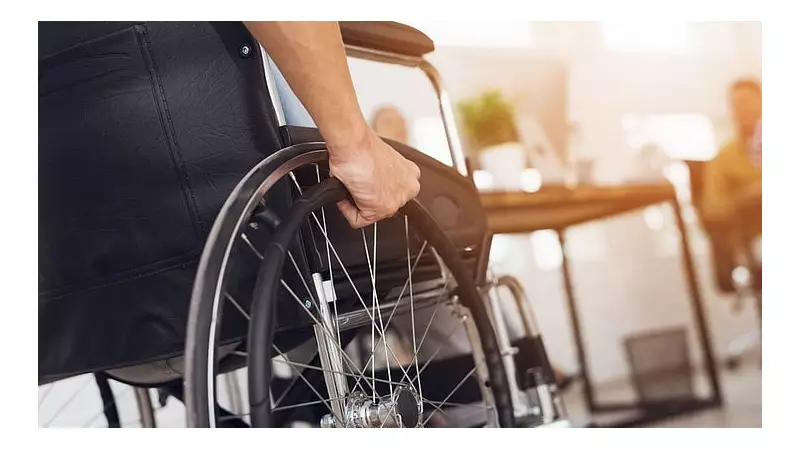
A powerful wave of change is sweeping across India's social landscape, as the movement for including persons with disabilities gains significant momentum. This shift is being driven by a collaborative force of non-governmental organizations, innovative startups, and forward-thinking corporate entities, all united in a mission to provide meaningful employment and, more importantly, restore dignity to the specially abled community.
A Collaborative Push for Employment and Dignity
The traditional narrative around disability in India is being rewritten. No longer confined to charity or welfare, the focus has decisively shifted towards empowerment through economic participation. NGOs are playing a pivotal role as catalysts, not only in skill development and training but also in partnering with the industry to create accessible job pipelines. They are building bridges between talented individuals and the market, ensuring that ability takes precedence over disability.
Parallelly, the agile and empathetic startup ecosystem is emerging as a key player. Many new ventures are embedding inclusion into their core business models. These companies are creating roles tailored to diverse abilities, leveraging technology to build accessible workplaces, and often employing specially abled individuals in critical functions. Their innovative approaches are proving that inclusion is not just socially responsible but also a sound business strategy that brings diverse perspectives to the table.

Corporate India Embraces Inclusive Hiring
The corporate sector's involvement marks a crucial turning point for the inclusion movement. Large and small companies alike are moving beyond mandatory quotas to genuinely integrate specially abled professionals into their workforce. This change is fueled by a growing recognition of the unique skills and resilience these individuals offer. Corporates are now actively working on:
- Modifying infrastructure to ensure physical accessibility.
- Implementing assistive technologies to enable seamless work.
- Training HR teams and staff to foster an inclusive culture.
The outcome is a powerful combination of livelihood and self-respect for thousands. A job provides far more than a paycheck; it offers a sense of purpose, community, and independence. This holistic approach is at the heart of the current movement, where providing dignity is considered as important as providing employment.
The Road Ahead for Sustainable Inclusion
The momentum observed today, as highlighted in recent perspectives, suggests a sustainable shift is underway. The collaboration between NGOs, startups, and corporates creates a robust ecosystem that can support, train, and employ the specially abled population at scale. However, for this movement to reach its full potential, continuous effort is required in areas like policy support, awareness campaigns to combat stigma, and the development of more sector-specific opportunities.
The progress made so far offers a hopeful glimpse into a more equitable future. As these efforts consolidate, India moves closer to a society where every individual, regardless of ability, has the opportunity to contribute, thrive, and live with the dignity they deserve. The journey of inclusion is building speed, promising transformative change for the nation's social fabric.