

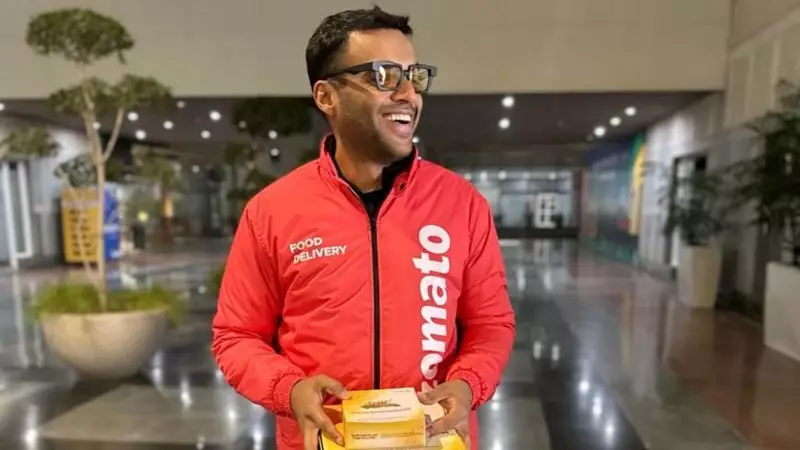
Amidst a strike by delivery partners on New Year's Eve, Deepinder Goyal, the founder of Zomato's parent company Eternal, took to social media to address growing concerns. He responded directly to a series of pointed questions from users regarding the welfare and working conditions of gig workers in the food delivery sector.
Clarifying Insurance and Job Nature
Goyal provided clear answers to six crucial questions, aiming to dispel myths and clarify the company's stance. A primary concern was about insurance coverage for the delivery executives. Goyal firmly stated that every gig worker associated with the platform has both medical and life insurance policies. He emphasized the transient nature of gig work, noting it is not designed as a permanent career path.
"Career progression for an unskilled job? This is not a permanent job for anyone," Goyal explained. He shared that most individuals engage in this work for a few months before transitioning to more permanent roles, highlighting the flexible, short-term nature of the gig economy.

High Attrition and Entry Criteria
To support his point on the temporary nature of the work, Goyal revealed a significant statistic: the annual attrition rate for delivery partners stands at 65%. This high turnover, according to him, underscores that the role is truly a 'gig' and not a long-term employment commitment for the majority.
On the topic of who can become a delivery partner, Goyal clarified that the entry barriers are low. Anyone possessing a valid driver's license and who clears a standard background check is eligible to work in the gig. This open criteria is part of what makes the model accessible to a large number of people seeking flexible earning opportunities.
Addressing the 10-Minute Delivery Pressure
One of the most debated aspects of food delivery services has been the promise of ultra-fast delivery times. Goyal directly addressed concerns about the pressure this puts on drivers. He assured that delivery partners face no penalties for late deliveries. "Nothing happens if they don't deliver on time. We understand that things go wrong many times," he said.
When questioned why a delivery from a dark store located just 2 km away should take 10 minutes, Goyal conceded the point. "I agree. It should take less than 10 mins," he responded. He attributed the buffer time to real-world conditions, noting that partners are expected to drive safely and can often get stuck in traffic, especially in dense urban neighbourhoods.
Goyal's intervention comes at a critical time when gig workers across platforms are vocalizing demands for better pay, enhanced safety measures, and social security benefits. His responses aim to provide transparency from the company's perspective, though the dialogue between platforms and their vast workforce of delivery executives is likely to continue evolving.






