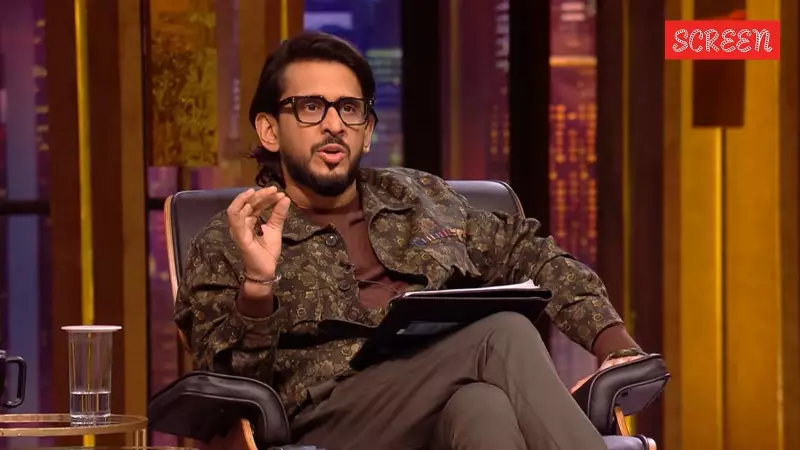
The latest season of Shark Tank India has reignited the playful yet pointed banter among the show's esteemed investors, known as 'sharks'. A recent on-air exchange between Shaadi.com founder Anupam Mittal and boAt co-founder Aman Gupta has captured significant public attention, especially in light of Gupta's recent major career move.
The Spark: Anupam Mittal's On-Air Jibe
During a pitch on Shark Tank India Season 5, Anupam Mittal delivered a sharp retort to fellow shark Aman Gupta. When Gupta questioned Mittal about some of his ventures shutting down, Mittal fired back, "Bhai teri toh naukri hi nahi bachi yaar (Brother, you don't even have a job anymore)." This comment was a direct reference to Gupta's recent decision to step down from his executive role at the company he co-founded.
This televised moment brought the spotlight back onto a significant corporate transition that occurred just weeks before boAt's much-anticipated Initial Public Offering (IPO).

Aman Gupta's Candid Explanation for Stepping Down
In a detailed interview with Pinkvilla, Aman Gupta opened up about the reasoning behind his decision to resign as the Chief Marketing Officer (CMO) of boAt. He clarified that this was not a sudden move but part of a deliberate, long-term strategy to professionalise the company's management structure.
"It was not a decision which was made today," Gupta stated. He highlighted that the process began about three years ago with the appointment of an external CEO, Gaurav Nayyar, who initially joined as Chief Operating Officer (COO). "We believe it is high time that professionally run management takes over," Gupta explained, adding that the founders felt the company could now be run more effectively by professional managers.
Gupta also pointed to a potential conflict his continued executive presence could cause. "When a strong founder still works in the system, employees feel there are many bosses in the company," he said. His stepping down allows CEO Gaurav Nayyar to lead with clear authority, reporting directly to the board.
The Strategic Timing Ahead of the boAt IPO
One of the most critical aspects Gupta addressed was the timing of his exit, which occurred approximately 29 days before boAt filed for its public listing. He framed this as an ethical imperative to maintain investor trust.
"Imagine if I had stepped down after the IPO," Gupta posed. "That wouldn't have been fair to retail investors. They would feel cheated if they invested believing that Aman Gupta was running the company and suddenly someone else took over." He emphasized that stepping down before the IPO ensures transparency, allowing potential investors to make informed decisions with their hard-earned money.
Despite leaving his operational role, Gupta remains a significant force within boAt. He confirmed that he and co-founder Sameer Mehta still own more than 40% of the company and that he continues to serve as a non-executive director on the board. Sameer Mehta has transitioned to the role of executive director, focusing on long-term growth.
boAt's Corporate Evolution and IPO Details
This leadership change marks a new chapter for the consumer electronics brand, best known for its audio wearables and smartwatches. Founded in 2013 by Aman Gupta and Sameer Mehta, boAt has grown into a dominant player in India's audio market.
The company's IPO plans are now in an advanced stage. In April, the Warburg Pincus-backed brand filed its draft red herring prospectus (DRHP) with the Securities and Exchange Board of India (SEBI), which has since granted its approval. boAt is reportedly targeting a substantial valuation of around Rs 13,000 crore through this public offering.
The transition solidifies Gaurav Nayyar's position as the CEO and Managing Director, entrusted with steering the company through its next phase of growth as a publicly listed entity.

While Aman Gupta has not publicly outlined his specific future plans, his shift from an operational to a strategic role, coupled with his continued presence on Shark Tank India, indicates he will remain a prominent figure in the Indian business and startup ecosystem. The episode underscores the evolving nature of founder-led companies as they mature and prepare for public markets, prioritizing structured governance alongside entrepreneurial vision.