

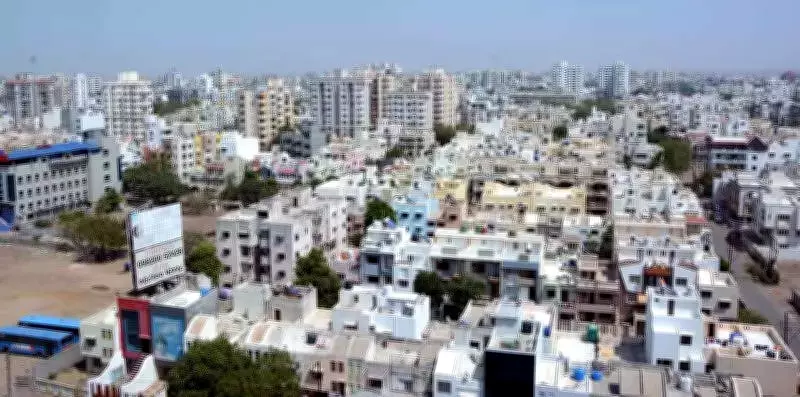
Rajkot Real Estate Sector Confronts Deepening Liquidity Crisis
The real estate market in Rajkot is enduring a severe and protracted liquidity crisis that has persisted for the past two years. This financial strain is starkly reflected in a dramatic decline in the number of projects registered with the Real Estate Regulation Authority (RERA), signaling a broader slowdown in construction and development activities across the city.
Sharp Decline in RERA Project Registrations
Official data from RERA underscores the severity of the downturn. The number of registered residential and commercial projects in Rajkot has seen a consistent and worrying drop. From 101 projects in the 2022-23 financial year, registrations fell to 79 in 2024-25, and have further decreased to just 68 in the current financial year. This downward trend highlights the acute challenges facing developers and investors in the region.
Multiple Factors Driving the Financial Crunch
The liquidity crisis is driven by a confluence of adverse factors. Global economic volatility has significantly impacted profits in local industries, reducing the capital available for real estate investment. Additionally, many investors have shifted their funds towards commodities like gold, silver, and copper, seeking safer or more lucrative returns during uncertain times.

Perhaps most critically, the collapse of several key non-banking financiers has removed a substantial volume of money from the market. It is estimated that between Rs 2,500 crore and Rs 3,000 crore has vanished following these bankruptcies, creating a severe cash crunch that is stifling new project launches and ongoing developments.
Impact on Industry Events and Developer Strategies
The slowdown has been so pronounced that the Rajkot Builder Association (RBA) was forced to postpone its biannual property expo this year. Organizers cited a stark absence of new projects to showcase as the primary reason for the cancellation. The last such expo was successfully held in 2024, illustrating how rapidly conditions have deteriorated.
Developers are now resorting to innovative and often challenging methods to sustain their operations. Land barter deals have become increasingly common, where builders exchange agricultural land in outlying villages for plots closer to Rajkot, supplementing these transactions with 20% to 30% cash payments. This practice has multiplied over the past year as traditional financing dries up.
Dependence on Non-Conventional Finance Exacerbates Crisis
Rajkot's real estate market has long relied heavily on non-conventional financing sources. Only 15% to 20% of project funding typically comes from formal banking channels. The remainder is usually provided by private financiers—often industrialists or businessmen—who act as silent partners or purchase units in bulk at pre-development rates.
This very system is now at the heart of the crisis. Dhruvik Talaviya, a local developer, pointed to stress in the industrial belt surrounding Rajkot, including areas like Shapar, Metoda, and Morbi. "These industrialists were major investors in real estate," Talaviya explained. "However, for the last year, their businesses have faced uncertainty due to export-related challenges and US tariffs. As their profits diminished, they ceased injecting capital into the property market."
Shift to Commodities and Market Psychology
Another developer, Raju Pobaru, highlighted how the earlier commodity boom diverted investment away from real estate. "Metal prices were skyrocketing, and people invested heavily, believing the trend was irreversible," Pobaru noted. "When those prices fell drastically, it created losses. Such sharp declines are less common in real estate, but the damage to investor confidence and available capital was already done."
The combination of financier collapses, industrial profit slumps, and shifting investment patterns has created a perfect storm for Rajkot's builders. With RERA registrations continuing to fall and traditional funding models broken, the sector faces a challenging path to recovery, requiring new strategies and potentially greater reliance on formal financial institutions in the future.






