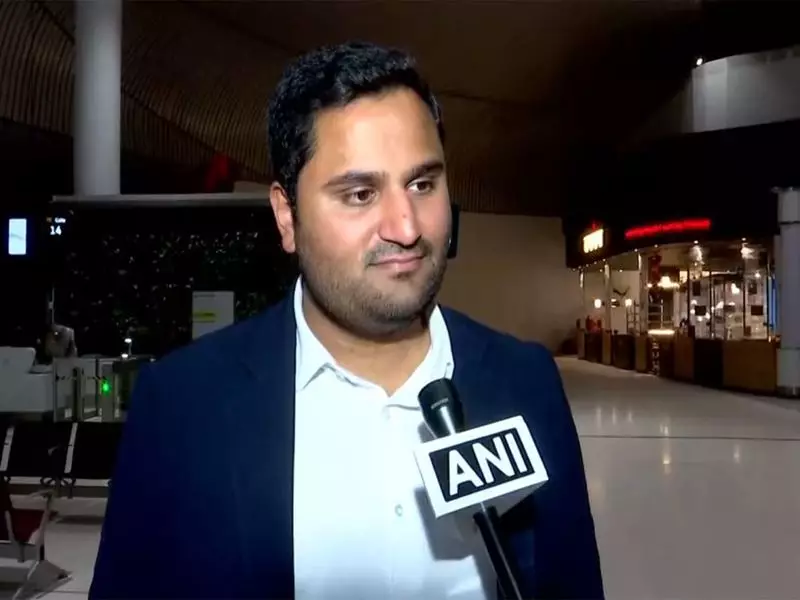
In a major development for India's aviation infrastructure, Adani Airport Holdings Ltd (AAHL) has unveiled ambitious expansion plans for the upcoming Navi Mumbai International Airport (NMIA). The company's Managing Director, Jeet Adani, announced that the airport will be developed with a total of four passenger terminals, significantly increasing its planned capacity.
Phased Development and Enhanced Capacity
While the first phase of the airport, set for operational launch by the end of March 2025, will commence with a single terminal, the master plan now includes the addition of three more terminals in subsequent phases. This strategic expansion will allow the airport to handle an estimated 90 million passengers per year once fully developed. The initial terminal, part of Phase 1, is designed to cater to 20 million passengers annually.
Jeet Adani made these revelations during a media briefing at the 'CAPA India Aviation Summit 2024'. He emphasized that the company is not just building an airport but is focused on creating a comprehensive airport city around the Navi Mumbai hub. This vision includes integrated commercial and residential developments, positioning NMIA as a central economic driver for the region.

A Multi-Airport System for Mumbai
The development of NMIA is critical to address the severe congestion at the existing Chhatrapati Shivaji Maharaj International Airport (CSMIA) in Mumbai. Jeet Adani highlighted that the current airport is operating at full capacity. The new airport in Navi Mumbai is designed to work in tandem with CSMIA, creating an efficient multi-airport system for the wider Mumbai metropolitan area.
Vinay Kumar Pabba, the CEO of AAHL, provided further technical details. He stated that the first phase of NMIA will feature a single runway and the initial terminal. The construction is progressing rapidly, with the runway work nearly complete and terminal construction advancing. The focus is firmly on meeting the March 2025 deadline for the start of operations.
Financing and Broader Portfolio Strategy
On the financial front, Jeet Adani addressed the group's approach to funding these massive infrastructure projects. He stated that the capital expenditure for the Navi Mumbai airport is being managed through a mixture of internal accruals and debt. He also pointed out that the Adani Group's entire airport portfolio has become cash-positive, which strengthens its financial standing for future investments.
AAHL's portfolio is extensive, managing a total of eight airports across India. This includes seven already operational airports—Mumbai, Ahmedabad, Lucknow, Mangaluru, Jaipur, Guwahati, and Thiruvananthapuram—and the upcoming greenfield project at Navi Mumbai. The company is leveraging its pan-India presence to create synergies and set new benchmarks in airport management and passenger experience.
The announcement underscores the Adani Group's significant commitment to transforming India's aviation landscape. The expansion of Navi Mumbai International Airport from one to four terminals represents a long-term vision to build world-class gateways that can support the country's growing air travel demand for decades to come.