Mumbai's F/South administrative ward, a historic hub of the city's textile mill industry, finds itself at a critical crossroads. While it stands to benefit from some of Mumbai's most significant new infrastructure projects, including the recently inaugurated Atal Setu, it continues to be plagued by age-old civic issues like chronic waterlogging, traffic congestion, and street encroachments.
A Ward in Transition: From Mills to Megaprojects
The landscape of the F/South ward, which encompasses the areas of Sewri, Dadar East, Lalbaug, and Parel, has transformed dramatically. The erstwhile mills have given way to redeveloped skyscrapers and bustling commercial hubs. This transformation is set to accelerate with several big-ticket projects in the pipeline.
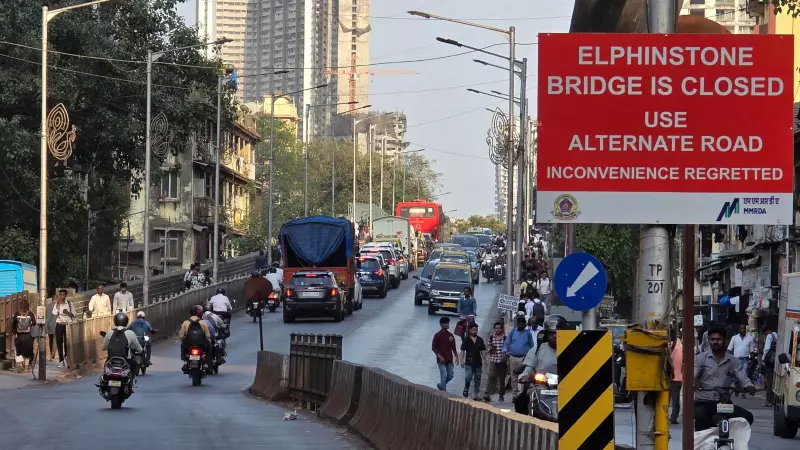
The crucial Atal Setu, India's longest sea bridge, commences from Sewri, placing a vital national infrastructure link within this ward. Furthermore, major proposed projects include the redevelopment of the Elphinstone bridge and the construction of the Orange Gate tunnel. However, this infrastructure boom is unfolding in a densely populated area already straining under civic challenges.

Persistent Civic Woes Amidst Development
Despite the tide of new development, residents grapple with familiar problems. The Hindmata junction remains a notorious chronic flooding spot, experiencing severe waterlogging with every heavy monsoon spell, despite ongoing efforts by the Brihanmumbai Municipal Corporation (BMC).
Traffic congestion, exacerbated by a high floating daytime population and encroachments along roads, is a daily struggle. The closure of the Elphinstone bridge for its redevelopment has triggered fresh traffic snarls in an already congested zone, as echoed by local residents. The area also houses some of the city's oldest colonies and chawls, such as those in Lalbaug, Ganesh Gully, Police Colony, BDD chawl, and the Kohinoor mills compound, making comprehensive redevelopment a core but complex concern.
Redevelopment Pressures and Political Dynamics
The new infrastructure works have raised concerns about the structural stability of decades-old buildings in the belt, amplifying calls for wider redevelopment. While pockets like the BDD chawl are already undergoing transformation, locals and political leaders are pushing for similar projects in other areas, such as the Sewri building chawl.
Sachin Padwal, former corporator and Shiv Sena (UBT) leader, highlighted the need to fast-track stalled projects. "We are eyeing to fast-track stalled redevelopment projects such as the Sewri building chawl by appealing to the Central government to release lands," Padwal stated. He also pointed out the ward's role as a hospital hub, home to institutions like KEM, Wadia, Bachubhai, and Tata, underscoring the need for proper shelter facilities for patients' relatives who currently sleep on streets.
Politically, the ward remains a Shiv Sena stronghold, predominantly home to a Marathi-speaking population. Of the seven electoral wards (200-206) under F/South, at least six are held by corporators from Shiv Sena (UBT). The ward falls under the Mumbai South Lok Sabha constituency, represented by Shiv Sena (UBT) MP Arvind Sawant. Padwal expressed confidence in retaining dominance in upcoming polls and outlined key plans, including clearing approximately 130 hutments to make way for three pillars for the expansion of the Atal Setu on the Sewri end.
The story of F/South ward encapsulates Mumbai's broader urban dilemma: racing towards a future of gleaming infrastructure while running a relentless marathon to fix its foundational civic ailments. The success of its megaprojects will ultimately be judged by how well they integrate with and improve the daily lived experience of its residents.