Moving into a new rented property often inspires tenants to personalize the space, turning a house into a home. However, such modifications can have legal implications under the Transfer of Property Act, 1882, which outlines the rights and responsibilities of landlords and tenants.
Key Legal Provisions
Section 108 of the Act requires tenants to return the property in the same condition as received, barring normal wear and tear. However, Section 108(h) permits tenants to remove fixtures or attachments they installed during the lease, provided the property is restored to its original state.
The law prohibits permanent or destructive changes but generally allows temporary, reversible modifications.

Permissible Alterations
Tenants can typically install wall-mounted appliances like televisions, air conditioners, water purifiers, and geysers. Curtains and blinds for privacy are also allowed. Decorative items such as mirrors, clocks, and removable wall stickers or wallpapers are permissible. Temporary partitions made of wood, glass, or other removable materials, as well as removable storage units like racks, are generally acceptable.
Grey Areas
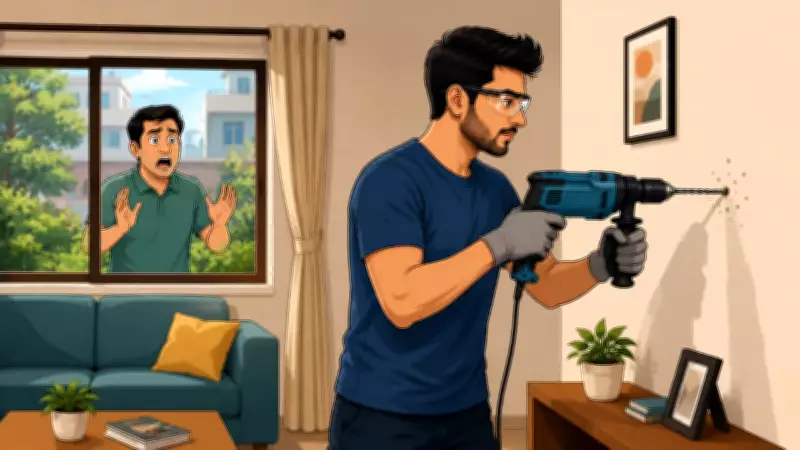
Some modifications may be ambiguous. For example, repainting a wall the same color is often considered minor, but changing the color may require the landlord's approval. Similarly, drilling into a wall may have different legal implications than hammering a nail.
Importance of Written Consent
To avoid disputes, tenants should document any alterations in a written agreement with the landlord, ensuring clear consent. This protects both parties and clarifies expectations.