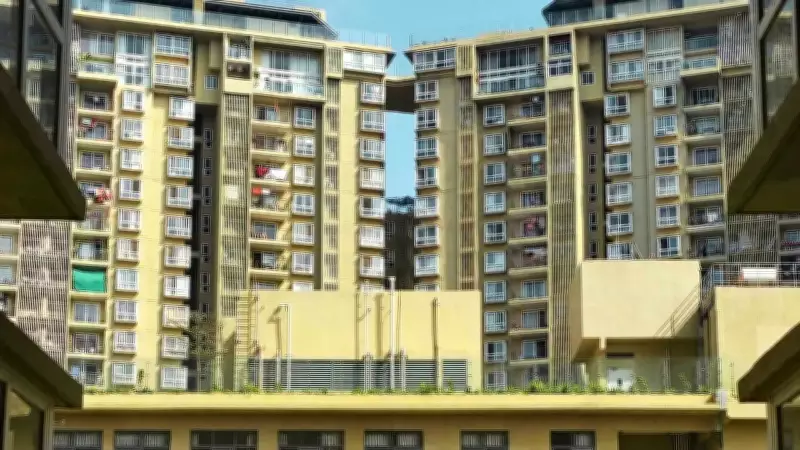
For years, luxury real estate has been synonymous with prime locations, premium features, and spacious homes. However, with India's infrastructure advancing rapidly, the concept of luxury has evolved significantly. Modern highways, expressways, metro corridors, air transport, and smart city projects are not only enhancing connectivity but also playing a pivotal role in shaping the preferences of luxury property buyers.
The Growing Demand for Connected Living in Bengaluru
Urban cities like Bengaluru are witnessing a surge in demand for a connected lifestyle. Ongoing infrastructure developments have notably increased interest in premium homes that offer easy access to daily city life. Anjana Sastri, Director - Marketing at Sterling Developers, highlights several factors driving growth in Bengaluru's real estate market.
Metro Connectivity and the Rise of Peripheral Luxury Markets
The expansion of the Namma Metro network, particularly the Purple Line and the upcoming Blue Line airport corridor, is significantly altering housing demand patterns in Bengaluru. Localities such as Whitefield, KR Puram, Hebbal, and Sarjapur Road have emerged as major residential destinations due to improved connectivity and proximity to employment hubs. Additionally, infrastructure projects like the Peripheral Ring Road (PRR), the Satellite Town Ring Road (STRR), and the Bengaluru Suburban Railway Project are expected to enhance commuting efficiency and strengthen the link between residential areas and key business districts. These developments have also accelerated the growth of North Bengaluru as a premium residential and luxury housing destination, bolstered by its proximity to Kempegowda International Airport and the upcoming airport metro connectivity via the Blue Line.

Commercial Expansion Reinforcing Residential Demand
The demand for luxury housing in Bengaluru is closely linked to the city's robust commercial growth. As a leading hub for technology companies and Global Capability Centres (GCCs), Bengaluru continues to attract multinational corporations, thereby driving demand for premium residential properties. Rising office absorption rates have prompted high-income professionals to seek homes that offer shorter commute times, superior infrastructure, and enhanced lifestyle amenities. In response, developers are moving beyond standalone luxury apartments and focusing on integrated gated communities that feature wellness centres, smart home technologies, landscaped open spaces, sustainable infrastructure, and a variety of lifestyle-oriented amenities. For today's luxury homebuyers, a prestigious location alone is no longer sufficient; the quality of surrounding urban infrastructure and the overall liveability of the neighbourhood are equally important.
Market Data Reflects a Structural Change in the Luxury Market
This growing demand is directly influencing new development trends. According to ICRA, luxury housing launches in Bengaluru surpassed mid-income launches for the first time in H1 FY2026, accounting for 49% of total launches. The city's luxury housing segment has experienced sustained growth, driven by rising demand from high-income professionals, GCC employees, and investors. Bengaluru is also seeing increased investor interest, as infrastructure development enhances investment potential through improved connectivity, stronger rental demand, and capital appreciation. Consequently, infrastructure-led micro-markets have become particularly attractive to both domestic and international investors.
Balancing Expansion with Long-Term Sustainability
However, this fast-paced growth raises significant concerns. High developer confidence must be matched by well-managed urban growth. For this momentum to be sustainable, strong infrastructure support and proper civic planning are essential. Looking ahead, infrastructure remains the single most critical factor shaping the trajectory of Bengaluru's luxury housing market. The expansion of metro lines, new transit hubs, and emerging business districts are completely reshaping the residential landscape. For builders, investors, and buyers, the value of luxury real estate will increasingly depend not just on the building itself but on its integration into a future-ready city.

Conclusion
Infrastructure will continue to define the direction of growth for the luxury real estate market. As mobility networks expand and commercial corridors evolve, homebuyers are prioritising accessibility, convenience, and long-term urban planning. In this changing landscape, the appeal of luxury housing will be determined not only by premium living spaces but also by how well they are connected to the city's growth ecosystem.