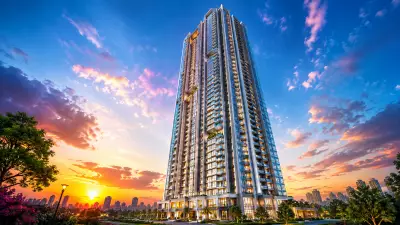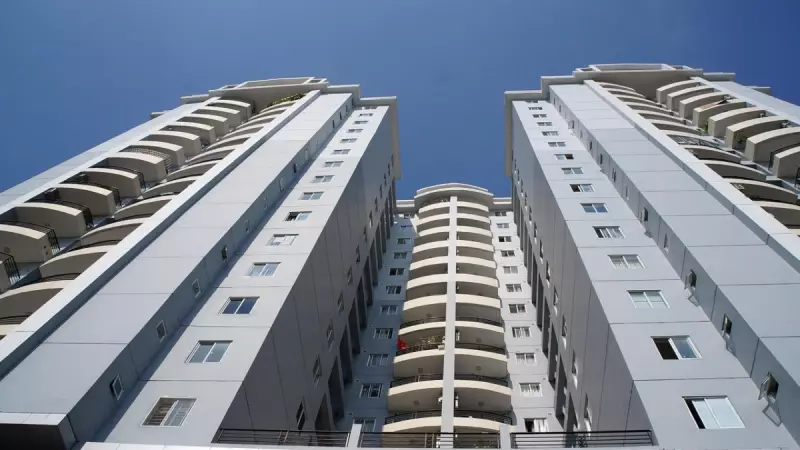
The landscape of urban living in India is on the cusp of a significant transformation, driven by a strategic shift in the real estate sector. Developers across major metropolitan areas are increasingly turning their focus towards creating large-scale, integrated condominium projects that seamlessly incorporate high-street retail spaces. This model, which blends luxury residential units with premium shopping, dining, and entertainment options, is poised to redefine the concept of community living and reshape city skylines by the year 2026.
The Rise of the Self-Contained Urban Community
Gone are the days when residential complexes were isolated islands. The new paradigm, as embraced by forward-thinking developers, is to create vibrant, self-sufficient micro-cities within the city. These integrated developments are designed to offer residents an unparalleled convenience-led lifestyle. The core idea is to bring a curated mix of high-street retail brands, fine-dining restaurants, multiplexes, wellness centers, and co-working spaces right to the residents' doorstep.
This trend is a direct response to the evolving demands of modern homebuyers, particularly millennials and young professionals, who value time efficiency and experiential living. The promise is a life where daily necessities, leisure, and work are all within a walkable, secure, and aesthetically pleasing environment. Industry analysts point to this as a move beyond mere housing to creating holistic lifestyle destinations.

Drivers Behind the Strategic Pivot
Several key factors are fueling this strategic pivot by developers. First and foremost is the economic viability and value creation this model offers. Integrating high-value retail spaces with residential towers allows developers to command a premium for residential units while also generating a steady, long-term income stream from commercial leases. This de-risks the project and enhances overall profitability.
Secondly, changing consumer behavior post-pandemic has accelerated the desire for localized, hyper-convenient experiences. The demand for mixed-use spaces that reduce travel time and offer everything in one compound has skyrocketed. Furthermore, urban planning policies in several Indian cities are now encouraging such mixed-use developments to decongest central business districts and promote decentralized growth.
From an investment perspective, these integrated projects are seen as more resilient and future-proof. They cater to a complete ecosystem, making them attractive not just to end-users but also to institutional investors and non-resident Indians (NRIs) looking for assets with strong appreciation potential and rental yields.
Transforming Cityscapes and Investment Patterns
The implications of this shift are profound for India's urban fabric. We are likely to see the emergence of new suburban hubs centered around these large integrated townships, reducing pressure on overburdened city centers. This model also promotes sustainable living by minimizing the need for long commutes for shopping or entertainment.
For the real estate market, this trend signifies a move towards higher quality, organized development. It raises the bar for amenities, design, and community management. The competition will no longer be just about square footage and location, but about the quality and diversity of the integrated experience offered within the project.
As this model gains mainstream acceptance, it is expected to dominate new launches in premium and mid-segment housing in cities like Mumbai, Delhi-NCR, Bengaluru, and Hyderabad over the next few years. By 2026, these integrated condominiums with their bustling high-street retail promenades are set to become the new standard for aspirational urban living in India, creating pockets of luxury and convenience that function as cities within cities.