

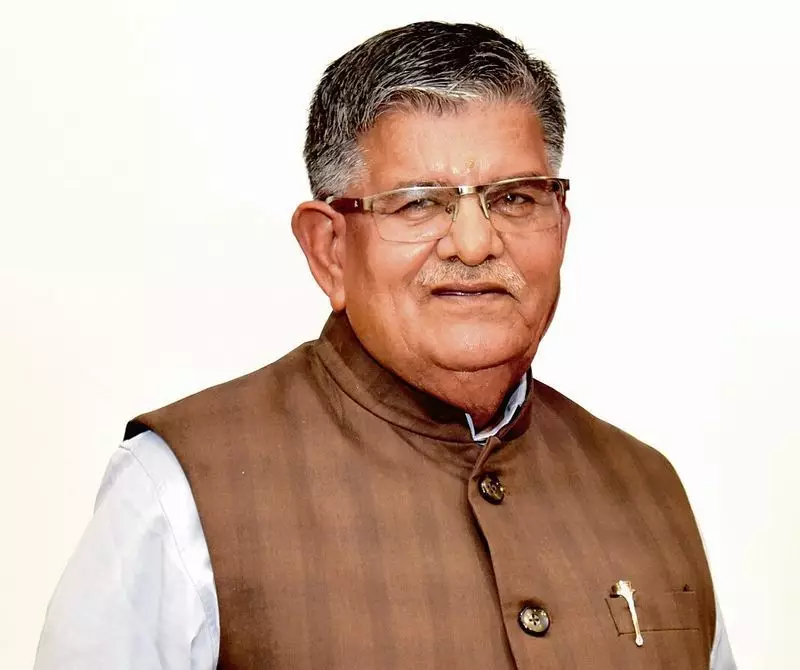
In a significant move aimed at shaping the future urban landscape of the city, the Chandigarh Administration has announced its intention to formulate a comprehensive land pooling policy. The announcement was made by the UT Administrator, Shri Banwarilal Purohit, highlighting a strategic shift towards more collaborative and planned development.
Administrator Purohit Announces Strategic Urban Development Plan
The decision was revealed during a high-level review meeting focused on the progress of various development projects within the Union Territory. Administrator Banwarilal Purohit directed the concerned departments to begin the crucial work of drafting this new policy framework. The primary objective is to facilitate a more streamlined and participatory approach to urban expansion, especially in sectors that are pivotal for the city's growth.
This initiative is seen as a direct response to the growing need for systematic development and housing solutions. The land pooling policy is expected to unlock new areas for development by consolidating smaller land parcels owned by private individuals or entities. This pooled land can then be developed with modern infrastructure, amenities, and housing projects, benefiting both the landowners and the city at large.

Aligning with Master Plan 2031 and Addressing Housing Demands
The push for a land pooling mechanism is closely aligned with the vision outlined in Chandigarh's Master Plan 2031. The Master Plan serves as the long-term blueprint for the city's development, and the new policy is intended to be a key instrument for its effective implementation. By adopting land pooling, the administration aims to move away from fragmented development and towards creating integrated, self-sufficient neighbourhoods.
A major driving force behind this policy is the urgent need to address the housing shortage in the city. Chandigarh has witnessed tremendous population pressure and rising real estate costs. The policy is envisioned to boost the supply of residential units in an organized manner, potentially making housing more accessible. Furthermore, it promises to provide landowners with a valuable stake in the development process, as they would typically receive a portion of the developed land or flats in return for their contribution.
Expected Outcomes and the Path Forward
The introduction of a land pooling policy is anticipated to have several positive outcomes for Chandigarh:
- Planned Urban Expansion: It will enable the administration to guide development in a coherent manner, ensuring the provision of essential services like roads, water, sewage, and parks from the outset.
- Stimulating the Real Estate Sector: The policy is likely to inject new energy into the housing and construction sector, creating opportunities for developers and generating employment.
- Efficient Land Use: By consolidating smaller plots, it promotes optimal utilization of scarce urban land, preventing haphazard construction.
- Reduced Litigation: A clear, transparent policy framework can help minimize land-related disputes and streamline the acquisition and development process.
While the administration has set the wheels in motion, the actual drafting and finalization of the policy will involve detailed deliberations. The framework will need to clearly define the roles of all stakeholders, the methodology for land valuation, the share of return for landowners, and the governance structure for executing pooled projects. The success of this initiative will largely depend on its design, ensuring it is attractive, fair, and practical for all parties involved.
This proactive step by the UT Administration under the guidance of Administrator Banwarilal Purohit marks a forward-looking approach to urban governance. If implemented effectively, the Chandigarh land pooling policy could become a model for sustainable and inclusive city development, shaping the region's growth for decades to come.






