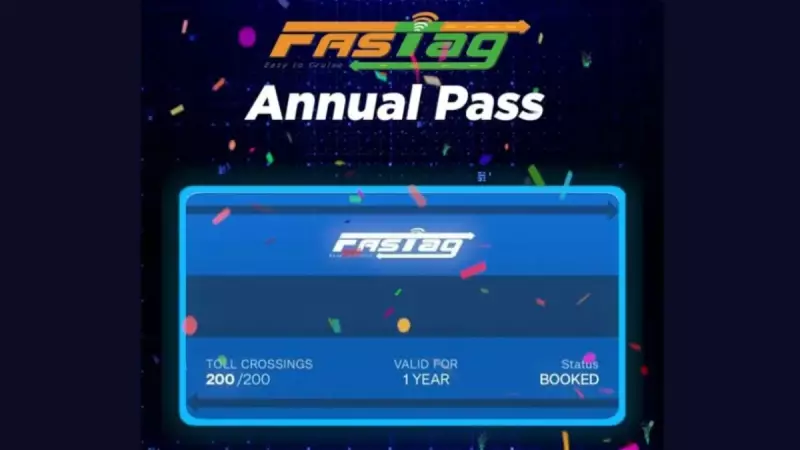
The National Highways Authority of India (NHAI) has issued a critical public alert regarding a sharp increase in online fraud involving counterfeit FASTag annual passes. This warning comes as unscrupulous entities exploit the digital payment ecosystem to dupe unsuspecting commuters.
How the Fake FASTag Annual Pass Scam Operates
Fraudsters are creating deceptive websites and social media advertisements that mimic official platforms. These illicit portals offer attractive deals on FASTag annual passes, which promise unlimited travel on national highways for a one-time payment. The scam preys on the desire for convenience and perceived savings.
Victims who make payments on these fake portals receive either a completely invalid pass or a pass that stops working after a short period. The financial loss is direct, and the perpetrators become untraceable, leaving users with no recourse. The NHAI emphasized that these fraudulent activities are not affiliated with any of its authorized channels.

Official Channels for FASTag Recharge and Passes
To combat this, NHAI has reiterated the only legitimate ways to purchase or recharge a FASTag. The authority advises citizens to use the following official methods:
- The official FASTag Partner Bank websites or mobile apps.
- Authorized third-party apps like Paytm, PhonePe, and Amazon Pay.
- Visiting physical points of sale at bank branches, toll plazas, or registered retail outlets.
NHAI does not sell FASTags or annual passes directly through standalone promotional websites or social media ads. Any such offer should be treated with extreme suspicion.
Steps to Take if You Suspect Fraud
If you believe you have fallen victim to a fake FASTag scam, immediate action is crucial. First, report the incident to the cybercrime cell of your local police. Provide all details, including the website URL, transaction IDs, and screenshots of the offer.
Next, contact your bank to report the fraudulent transaction and initiate a chargeback process if possible. Finally, you can lodge a complaint on the National Cyber Crime Reporting Portal (www.cybercrime.gov.in). Raising awareness in your community is also a powerful tool to prevent others from being scammed.
The rise in these scams highlights the need for heightened digital vigilance. As India's digital payment infrastructure grows, so do the tactics of cybercriminals. The NHAI alert serves as a timely reminder for all highway users to verify, double-check, and only use trusted sources for all digital payment needs related to toll services.