Western Railway Unveils Major Kavach Safety Investment Plan
Western Railway has put forward a substantial safety proposal with an estimated budget of Rs 483.65 crore. This plan focuses on implementing the Kavach train collision avoidance system across its network. The railway aims to enhance operational safety through two key components under the Indian Railways Umbrella Work for 2024-25.
Key Components of the Safety Proposal
The first component involves installing Kavach on the Udhna to Jalgaon section. This stretch covers 307 route kilometers. Officials estimate this installation will cost Rs 109.83 crore. The deployment of this indigenous train protection system will directly improve safety along this critical section.
The second component targets locomotive upgrades. Western Railway plans to modify, upgrade, and program 436 locomotives. This work carries a proposed cost of Rs 373.82 crore. These modifications will enable the seamless functioning of the Kavach system on these engines.
Official Statement on Safety Goals
Vineet Abhishek, Chief Public Relations Officer for Western Railway, explained the proposal's intent. He stated these measures aim to strengthen safety systems on Western Railway. The plan also expands the deployment of indigenous Kavach technology. This expansion aligns with Indian Railways' broader safety roadmap.
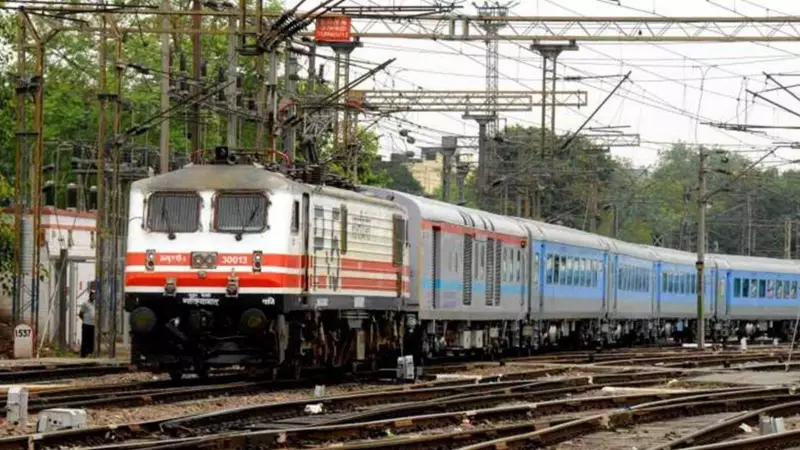
The proposals now await approval under the relevant works programme. Execution can only begin after receiving this clearance. If approved, the projects promise significant benefits. They will expand the Kavach footprint across Western Railway. A larger fleet of locomotives will then operate under the collision avoidance system's protection.
Understanding the Kavach System
Kavach represents a crucial safety innovation for Indian Railways. It is an indigenous train collision avoidance system. Its primary purpose is to prevent accidents caused by human error. The system acts as an automatic safety layer. It continuously monitors a train's speed and movement in relation to signals and other trains.
The system functions through a specific process. If a loco pilot misses a stop signal or exceeds the speed limit, Kavach intervenes. It first warns the driver audibly. If the driver takes no corrective action, the system automatically applies the brakes. This intervention helps prevent dangerous situations.
Kavach relies on continuous communication between different components. Equipment fitted on locomotives communicates with trackside devices. This network also connects with the broader signalling infrastructure. The system specifically aims to prevent Signal Passed at Danger (SPAD) incidents. It also reduces collision risks on busy, high-traffic routes.
Indian Railways is rolling out Kavach in phases. The focus remains on high-traffic corridors. This phased deployment is part of a larger push to strengthen overall train safety across the national network.