Vijayawada Airport Terminal Project Gains Momentum with New Contractor
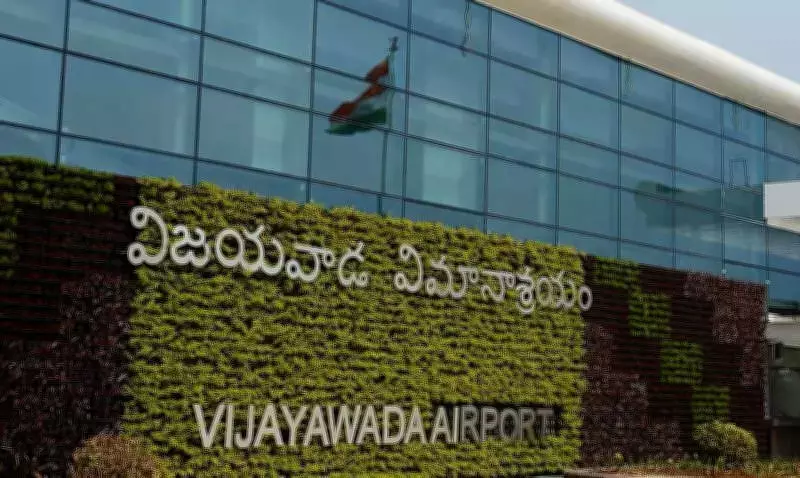
The long-stalled construction of the integrated terminal at Vijayawada International Airport is poised to regain significant momentum in the coming weeks, following a crucial change in the contracting agency. According to official sources, KMV Projects Limited has emerged as the L-1 bidder in the tenders floated by the Airports Authority of India (AAI) to complete the remaining construction work of the terminal.
Project Background and Delays
The integrated terminal project originally commenced in December 2018 with an estimated cost of ₹611 crore. However, progress was severely hampered by the previous contractor, NKG Infrastructure Limited, which failed to complete the work within the stipulated timeframe. This led to repeated setbacks and significant delays, despite persistent pressure from the civil aviation ministry to expedite the work. As a result, the AAI took decisive action by cancelling the contract and inviting fresh tenders in January last year for the remaining 20 percent of the work, valued at approximately ₹138.20 crore.
New Contractor and Timelines
With the tender process now nearing completion, authorities are expected to formally hand over the project to KMV Projects shortly. Officials have set an ambitious target to complete the remaining construction within six months after the new contractor takes charge. This swift timeline aims to mitigate the prolonged delays and bring the project back on track.

Expected Benefits and Future Prospects
Once completed, the new integrated terminal is anticipated to deliver substantial improvements:
- Significantly enhanced passenger handling capacity at Vijayawada airport.
- Upgraded overall facilities for travelers.
- Potential paving of the way for the resumption of international flight operations from the airport in the future, boosting regional connectivity and economic growth.
The revival of this critical infrastructure project underscores efforts to modernize aviation facilities in the region, addressing previous inefficiencies and aligning with broader development goals.