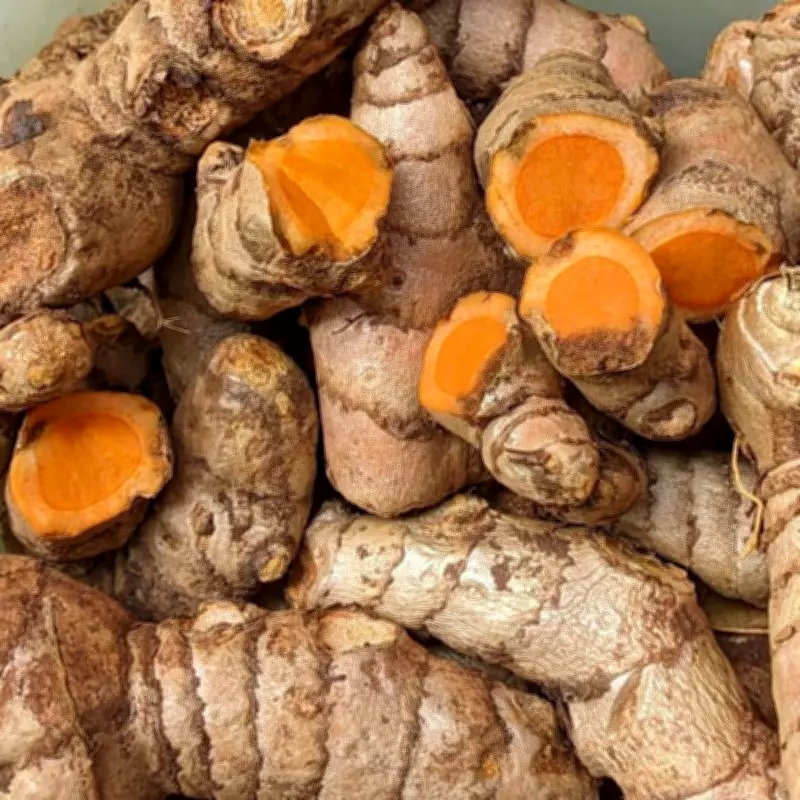
Turmeric Processing Emerges as Profitable Opportunity for Punjab Farmers
In a significant development for the agricultural sector in Punjab, experts from Punjab Agricultural University (PAU) have identified turmeric processing as a promising new avenue for farmers. This initiative is opening up lucrative opportunities, enabling farmers to diversify their crops and enhance their income streams beyond traditional staples like wheat and rice.
Boosting Agricultural Diversification
According to PAU specialists, the shift towards turmeric cultivation and processing is part of a broader strategy to promote agricultural diversification in the state. By integrating turmeric into their farming practices, farmers can reduce dependency on water-intensive crops and tap into the growing demand for spices in both domestic and international markets.
The processing of turmeric involves several key steps:

- Harvesting and cleaning of raw turmeric roots to remove impurities.
- Boiling and drying to prepare the roots for further processing.
- Grinding and polishing to produce high-quality turmeric powder.
- Packaging and marketing to ensure the product reaches consumers effectively.
Economic Benefits and Market Potential
PAU experts emphasize that turmeric processing offers substantial economic benefits. Farmers can achieve higher profit margins by adding value to their produce through processing, rather than selling raw turmeric at lower prices. This value-addition not only increases income but also creates employment opportunities in rural areas, supporting local economies.
The market for turmeric is expanding rapidly, driven by its widespread use in culinary, medicinal, and cosmetic applications. With increasing health consciousness among consumers, the demand for natural and organic turmeric products is on the rise, presenting a golden opportunity for Punjab farmers to capitalize on this trend.
Challenges and Support Mechanisms
While the prospects are bright, PAU experts acknowledge that farmers may face challenges such as lack of processing infrastructure, technical know-how, and access to markets. To address these issues, the university is providing training programs and technical support to equip farmers with the necessary skills for successful turmeric processing.
Additionally, collaborations with government agencies and private sector players are being fostered to develop better supply chains and marketing networks. These efforts aim to ensure that farmers can fully leverage the potential of turmeric processing without being hindered by logistical or financial barriers.
Future Outlook and Recommendations
Looking ahead, PAU experts recommend that farmers adopt modern processing techniques and invest in quality control measures to produce superior turmeric products. By focusing on sustainability and innovation, Punjab can position itself as a key player in the spice industry, contributing to both agricultural growth and economic development.
In conclusion, turmeric processing is not just a new avenue but a transformative opportunity for Punjab farmers. With the guidance of PAU experts and supportive policies, this venture has the potential to revolutionize the agricultural landscape, offering a path to prosperity and resilience in the face of changing market dynamics.