Thane Metro Project Faces Public Backlash Over Route Modifications
The Nagpur-based Mahametro has introduced several alignment changes and station relocations for the 29-kilometer Thane Internal Metro Rail Project, aiming to optimize its operational efficiency and station usage. However, these proposed modifications have ignited significant opposition from local citizen groups, who argue that the revisions were implemented without adequate public consultation and could negatively impact the local urban environment.
Residents Discover Changes Through Construction Activity
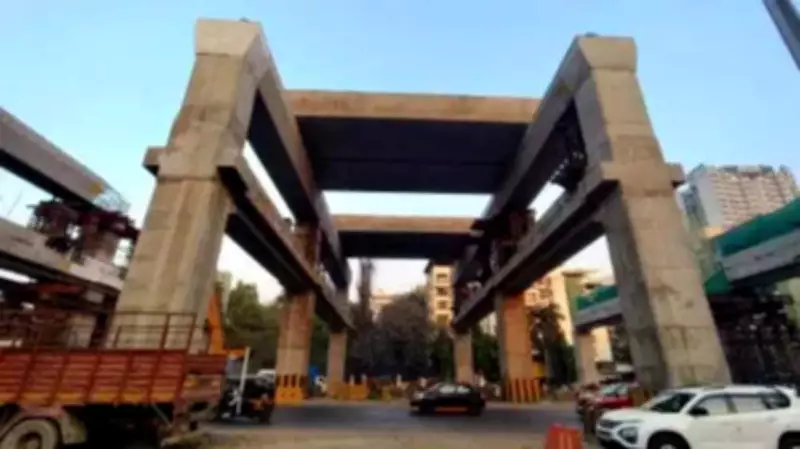
Local residents became aware of the revised alignments only after contractors began erecting barricades in parts of Hiranandani Estate on Wednesday. A group of concerned citizens from the area investigated the issue and met with local elected representatives on Thursday, expressing fears that the modifications could alter the urban landscape and increase congestion in previously quiet neighborhoods.
"The original plan routed the line from a different area, but now it is cutting directly through a dense residential locality with a school operating nearby," explained one resident. "We consulted with on-site staff who informed us this was a last-minute decision. We support the project overall but will now approach authorities to demonstrate how the revised alignment could unnecessarily congest our community."

Expert Highlights Lack of Public Awareness
Mumbai-based town planning expert Sulakshana Mahajan emphasized that most residents potentially affected by the alignment changes remain unaware of these developments. "The route passing through the station area may disrupt existing transport routes and impact both residential and commercial structures," she stated. "All stakeholders must be consulted and taken into confidence before project execution proceeds."
Official Justification for Modifications
A Maha Metro official provided details on the specific changes, stating: "The modifications include shifting the route by approximately 400 meters to integrate the proposed Waghbil station with a development plan road in the vicinity. Another adjustment involves easing the track curve on defense land, while an elevated station is being relocated from its existing position toward Upvan. These revisions are designed to optimize station usage and improve overall project efficiency."
The controversy highlights the ongoing tension between infrastructure development and community engagement, with residents demanding greater transparency in urban planning decisions that directly affect their daily lives and local environment.