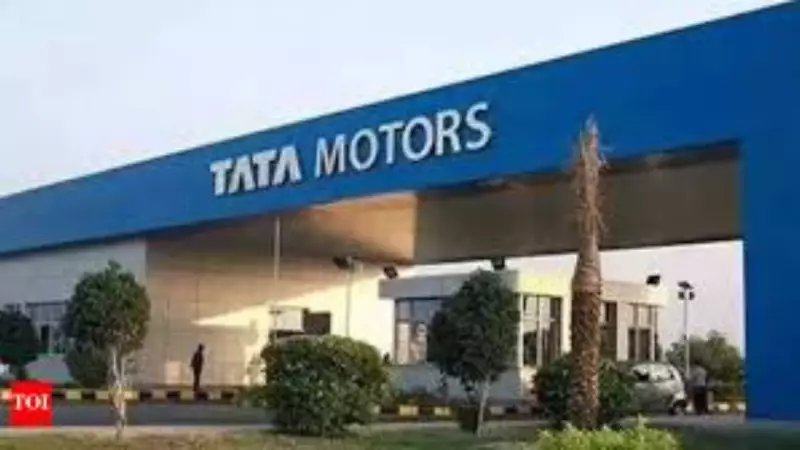
In a strong statement on the future of India's electric vehicle (EV) sector, Tata Motors' top executive has outlined that multinational companies eyeing the market must go beyond just selling cars. They need to commit to building local capabilities, generating employment, and deepening localisation.
A Call for Holistic Commitment from Global Players
Shailesh Chandra, Managing Director and CEO of Tata Motors Passenger Vehicles, addressed the potential entry of foreign automakers, including those from China, who have faced investment hurdles. He emphasised that the Indian government evaluates such entries holistically, considering national interests above all.
"The government has to really think about it, and it will take into consideration many aspects," Chandra stated. He explained that while the government is open to inviting new technologies and players, it simultaneously ensures a full commitment to building local capabilities and investing in domestic value addition.

Chandra stressed that leveraging India's vast demand is not enough. "You have to ensure that it is not only demand in the country which is leveraged... but anybody who wants to exploit that demand needs to invest into localisation, invest into employment creation, and so on," he said. The government's conscious call, he believes, will be based on this comprehensive view of what is right for the nation.
Tata Motors' Aggressive Roadmap to Dominate the EV Space
Asserting its own commitment to India's EV revolution, Tata Motors unveiled an ambitious plan to retain its market leadership. The company aims to hold a dominant market share of 45-50% in the expanding EV segment.
To achieve this, Tata Motors will invest up to ₹18,000 crore by the 2029-30 financial year. This investment will fuel a robust product offensive, including the launch of five new electric vehicle nameplates.
The upcoming launches include:
- The Sierra.ev and a new version of the Punch.ev, scheduled for next year.
- The premium Avinya range of EVs, set for launch by the end of 2026.
By FY30, the company will have launched these five new models, alongside multiple updates for its existing electric vehicles.
"Mainstreaming Electric Mobility" - The Core Philosophy
Chandra outlined the company's vision, stating, "As EV adoption accelerates, our commitment remains clear: To mainstream electric mobility by making it accessible across segments, strengthening the ecosystem, and investing in India-first technology and localisation."
This strategy of focusing on accessibility, ecosystem development, and indigenous technology is how Tata Motors plans to continue leading India's fast-growing EV market. The company's stance reinforces a broader industry and governmental push for creating a self-reliant automotive manufacturing hub, ensuring that the country's economic growth and job creation are integral to its electric future.