Tamil Nadu Hotels Forced to Declare Holiday Amid Severe LPG Cylinder Shortage
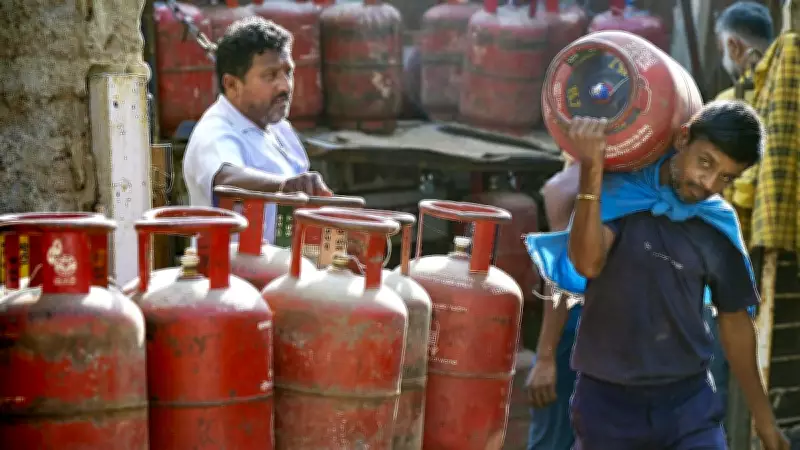
A significant section of hotels across Tamil Nadu has been compelled to declare a holiday due to a critical shortage of commercial LPG cylinders, sparking concerns over the sustainability of their operations. The hotel association has raised alarms, stating that the existing stock of cylinders is insufficient to maintain normal business activities.
Immediate Business Impact and Supply Constraints
According to reports, the available commercial LPG supply would be sufficient to run hotel outlets for only one or two days at most. This dire situation has forced many establishments to temporarily shut down, as they cannot operate without a reliable fuel source for cooking and other essential functions. The association emphasized that without immediate resolution, the crisis could lead to prolonged closures and financial losses.
Key Concerns Voiced by the Hotel Association- The existing stock of commercial LPG cylinders is critically low, with estimates suggesting it will last merely one to two days.
- Hotels are struggling to sustain their businesses, as the shortage disrupts daily operations and customer service.
- There is an urgent need for intervention to restore supply chains and prevent further economic damage to the hospitality sector.
Broader Implications for the Hospitality Industry
This LPG crisis highlights broader vulnerabilities in supply chains affecting essential services in Tamil Nadu. The hotel industry, a vital part of the state's economy, faces unprecedented challenges that could ripple through related sectors, including tourism and local employment. Stakeholders are calling for swift action from authorities to address the supply issues and ensure business continuity.