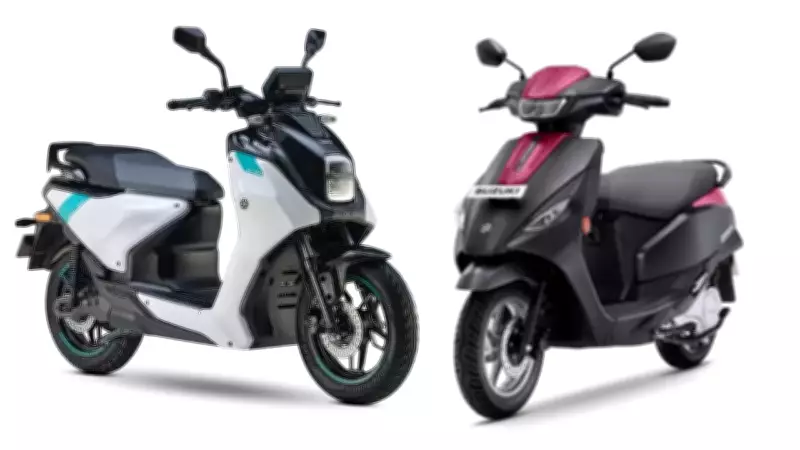
Suzuki vs Yamaha: The Electric Scooter Battle Heats Up in India
The Indian electric scooter landscape is undergoing a significant transformation, moving far beyond its initial identity as a startup-dominated arena. Legacy two-wheeler manufacturers are now making decisive entries, with Suzuki and Yamaha emerging as the latest prominent players to join the fray. This shift marks a pivotal moment in the evolution of electric mobility in the country, bringing established engineering prowess and brand trust to the segment.
Yamaha EC-06 vs Suzuki e-Access: Battery, Range, and Charging
Suzuki's e-Access is equipped with a 3.07 kWh lithium iron phosphate battery, which the company claims can deliver an impressive range of up to 95 kilometers on a single full charge. Powering this scooter is an electric motor that generates approximately 5.5 horsepower and 15 Nm of torque, enabling it to achieve a top speed of roughly 71 kilometers per hour. To enhance the riding experience, Suzuki has incorporated multiple riding modes, including Eco and Ride modes, allowing riders to tailor performance to their needs.
One of the standout features of the e-Access is its charging capability. When using a fast charger, the battery can be replenished from 0 to 80 percent in just over an hour. For those relying on a regular AC charger, a full charge takes close to seven hours, making it a practical option for overnight charging.

In contrast, Yamaha's EC-06 boasts a larger 4.0 kWh lithium-ion battery, which significantly extends its range. Yamaha claims an IDC range of up to 169 kilometers, making it a compelling choice for longer commutes. The electric motor in the EC-06 is notably more powerful, producing about 9 horsepower and 26 Nm of torque. This enhanced power allows the scooter to reach a top speed of around 79 kilometers per hour, offering a more spirited riding experience.
Yamaha also provides multiple riding modes, such as Eco, Standard, and Power, giving riders flexibility in managing performance and efficiency. However, charging the EC-06 with a standard home charger requires approximately eight hours for a full charge, which is slightly longer than its competitor.
Yamaha EC-06 vs Suzuki e-Access: Pricing and Market Positioning
When it comes to pricing, there is a clear distinction between the two models. The Suzuki e-Access is positioned at a higher price point, with an ex-showroom price of Rs 1.88 lakh. This pricing reflects Suzuki's focus on offering a premium electric scooter with advanced features and reliable performance.
On the other hand, Yamaha has adopted a more aggressive pricing strategy for the EC-06, setting its ex-showroom price at around Rs 1.67 lakh. This competitive pricing aims to attract a broader audience and challenge other players in the market, including startups and established manufacturers.
The entry of Suzuki and Yamaha into the electric scooter segment underscores the growing maturity of India's electric vehicle ecosystem. As these legacy brands bring their expertise and innovation to the table, consumers can expect more choices, improved technology, and enhanced reliability in the years to come.