Supply Chain Disruptions Threaten Gig Workers and MSMEs Across Key Indian Industries
NEW DELHI: Constraints in fuel and raw material supplies are forcing shutdowns in various manufacturing segments, particularly affecting small businesses, and may severely hurt contractual and gig workers. Industry representatives and human resources experts have highlighted visible signs of strain in sectors such as steel, automotive, textiles, pharmaceuticals, and medical devices, where fuel supply issues, rising input costs, and availability shortages are biting into operations.
Widespread Impact on Restaurants and Manufacturing
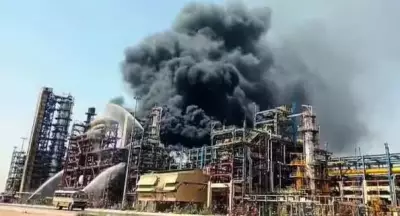
Restaurants, quick service restaurants (QSRs), and cloud kitchens are also feeling the heat, with the LPG crisis compelling many to curtail operations or shut down temporarily. Larger players have been forced to halt operations and switch to alternative fuels, as indicated by stock exchange filings from certain companies. For instance, Kirloskar Ferrous Industries resumed one of its plants on March 21 after an LPG-driven shutdown, while Jubilant FoodWorks, which operates Domino's, is accelerating a shift to electricity and piped natural gas.
Although no hard data is yet available on the scale of job losses, multiple companies and industry experts across sectors have confirmed this troubling trend. "Supply chain disruptions triggered by the LPG crisis are beginning to hit a wide swathe of MSME clusters and labour-intensive sectors," said Ashok Saigal, chairman of the CII National MSME Council.

Specific Sectoral Challenges and Labor Distress
Small and medium automotive component makers, critical to the car industry's supply chain, are among those worst affected due to their dependence on gas. Ceramics hubs like Khurja and glass clusters such as Firozabad have experienced production slowdowns and even shutdowns, while operations in Agra's units are also impacted. Industries including glass, packaging, paints, and plastics are facing supply shortages, with a cascading effect on downstream sectors like automobile and pharmaceuticals.
In Moradabad's brassware cluster and Coimbatore's small foundries, rising input costs and weak demand, particularly for pumps and cast iron components, are compounding the stress. The textiles sector is similarly grappling with higher fuel costs. Foundry units in the south operated at nearly 50% capacity during March, and the paint cluster in Aurangabad was also disrupted.
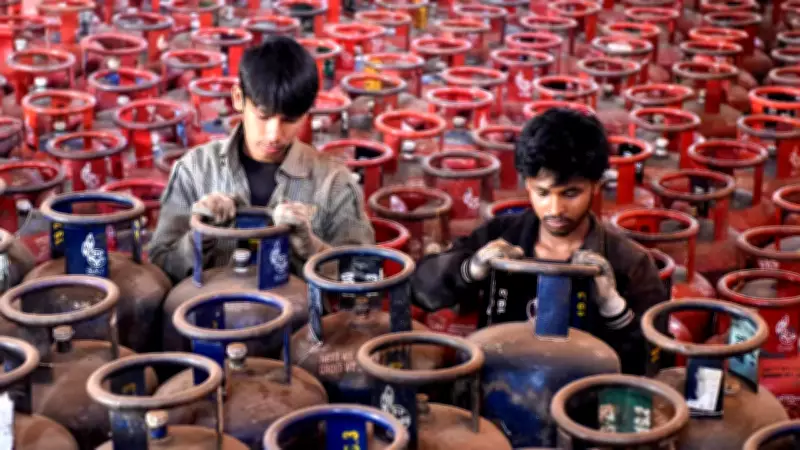
Adding to the strain is migrant labour distress. With LPG cylinder refill costs surging from around Rs 150 to Rs 450 per kg, many workers are opting to return to their villages, deepening labour shortages. This exodus is exacerbating the challenges faced by industries already struggling with supply chain issues.
Pressure on India's Gig Economy
The pressure is equally visible in India's gig economy, which is estimated to include around 1.2 crore workers, with a majority concentrated in last-mile delivery and cab aggregator services. This segment is particularly sensitive to both demand shocks and workforce fluctuations, according to Balasubramanian A, senior vice president at TeamLease Services, an HR firm.
"Platforms are likely to push toward multi-category roles for workers, reducing dependence on a single segment like food delivery," he said. "Also, during elections, harvest seasons, and key festivals, a section of workers typically returns to home states, further tightening availability. With polls this month in several states, this labour pool could get tightened."
Sonal Agrawal, managing partner at Accord India/AltoPartners, noted that while no immediate structural change is expected from companies, gig workers are already adversely impacted by the slowdown in operations. Organisations are currently moving beyond reactive measures toward a more resilient recalibration of their workforce models, particularly within the gig and delivery ecosystems, as highlighted by Yeshab Giri, chief commercial officer of operational talent solutions at Randstad India.