In a significant move addressing environmental concerns, the proposed Salem Textile Park in Jagirammapalayam will implement state-of-the-art wastewater recycling systems to ensure zero groundwater contamination from dyeing operations.
Advanced Water Purification for Environmental Protection
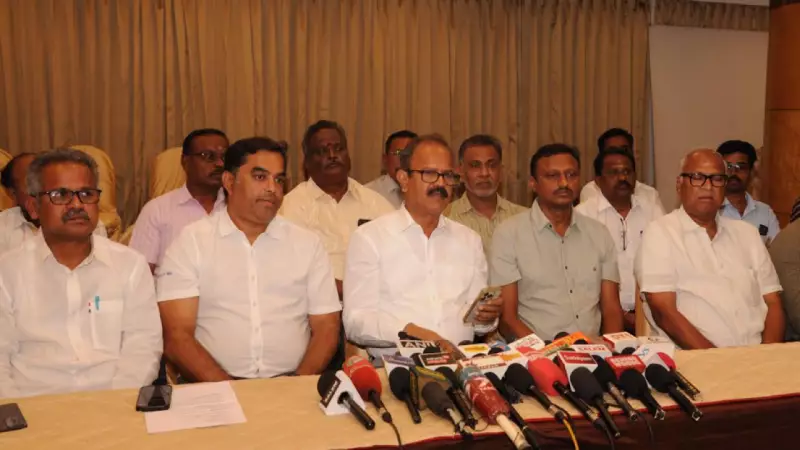
Salem Yarn Colouring Park chairman A Azhagarasan announced on Saturday that the textile park will feature a comprehensive water management system designed to prevent any sewage from reaching the ground. The initiative comes as a direct response to local residents' concerns about potential groundwater pollution from dyeing unit operations.
The centerpiece of this environmental protection effort is a common purification plant being established at a cost of Rs 200 crore. This modern facility will draw approximately two million litres of wastewater daily from Manguttai pond and purify it for reuse within the textile park's operations.

Massive Economic Impact and Employment Generation
The overall textile park project represents a substantial investment of Rs 880 crore by the state government. Beyond its environmental innovations, the facility promises significant economic benefits for the region.
According to Salem Dyeing Factory Owners Association president K T Srinivasan, the project will generate direct employment for 15,000 people and create indirect employment opportunities for 50,000 additional individuals. This massive job creation initiative will substantially benefit the local economy and provide stability for the district's weaving community.
Community Benefits and River Restoration
The textile park project extends its positive impact beyond employment generation to include environmental restoration. Project officials emphasize that the initiative will contribute to cleaning the Thirumanimutharu river, bringing ecological benefits to the entire region.
The project's comprehensive approach is expected to benefit approximately four lakh people currently engaged in weaving activities across the district. To ensure transparency and community involvement, a public monitoring committee will be established to directly oversee the project's implementation and environmental compliance.
Azhagarasan categorically stated that "there is absolutely no drilling of borewells to extract water or discharging sewage to the ground" as part of the textile park operations. The advanced water recycling system eliminates the need for groundwater extraction while preventing any contamination of local water resources.