Rajasthan's Stone Sector Achieves Milestone in Reducing Import Dependence
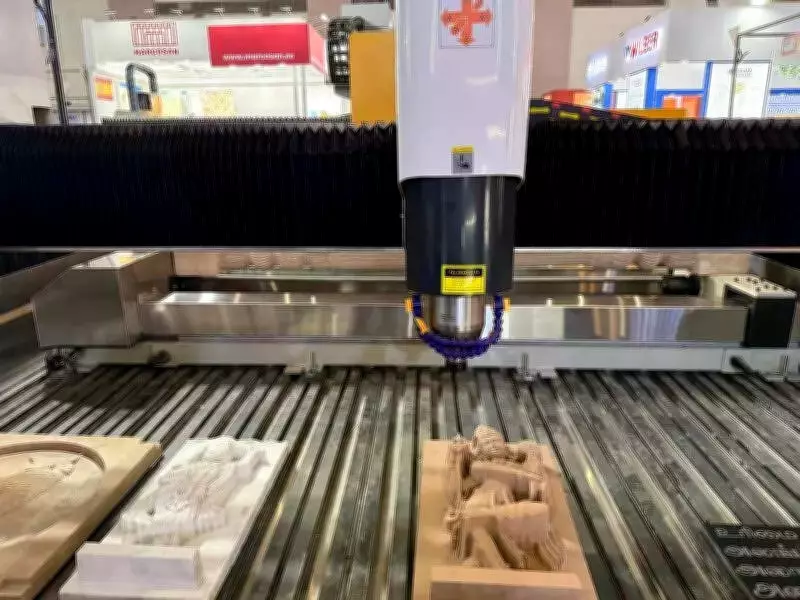
Over the past decade, the stone industry in Rajasthan has made remarkable progress in decreasing its reliance on imported cutting and polishing machinery from countries such as China, Italy, and Turkey. This strategic shift has been driven by the emergence of indigenous manufacturing units in key cities like Ajmer, Udaipur, and Jaipur, which have become pivotal suppliers to the sector. By strengthening its domestic base, the industry has successfully lowered operational costs and enhanced self-sufficiency, marking a significant step forward in local production capabilities.
Indigenous Manufacturing Boosts Domestic Base and Efficiency
Rajasthan, renowned for hosting India's largest reserves of marble, granite, and sandstone, has been at the forefront of investing in machine manufacturing. Local manufacturers have developed mid-range machinery specifically tailored to domestic needs, providing a cost-effective solution for small and medium enterprises. This innovation has not only reduced waste but also improved product quality and production times, as highlighted by industry stakeholders. The transformation brought by technology penetration has been substantial, enabling the sector to optimize processes and compete more effectively in the market.
Persistent Challenges in High-End Technology and R&D
Despite these advancements, industry experts caution that India remains dependent on select high-end technologies due to inadequate investment in research and development. At the recent Stonemart exhibition, exhibitor R Sudarsan emphasized that while India has excelled in manufacturing basic machinery over the past five to seven years, it still relies on countries like China and Turkey for high-efficiency and high-precision technology. "The major reason is that the Indian industry does not invest adequately in research and development activities. That's the difference," Sudarsan stated, underscoring a critical gap in innovation.

Rakesh Gupta, a dimensional stone exporter from Jaipur, echoed this sentiment, noting the significant improvements in technology penetration over the past decade. "With the use of technology, the industry was able to reduce waste. Secondly, the quality of products and the production time also improved," Gupta said. However, he and other exhibitors warned that without sustained R&D efforts, India risks falling behind in next-generation technologies, such as automated precision cutting, AI-enabled defect detection, and energy-efficient polishing systems.
Future Outlook and Global Competitiveness
The dominance of foreign suppliers in advanced technologies poses a threat to India's competitiveness in global markets. Exhibitors at Stonemart stressed that to maintain and enhance its position, the Indian stone industry must prioritize investments in research and development. This focus is essential for developing cutting-edge solutions that can rival international offerings and drive further growth. As the sector continues to evolve, balancing domestic manufacturing successes with innovation in high-end tech will be crucial for long-term sustainability and global leadership.