Pune Industries Grapple with Severe LPG Shortage Amid Middle East Conflict
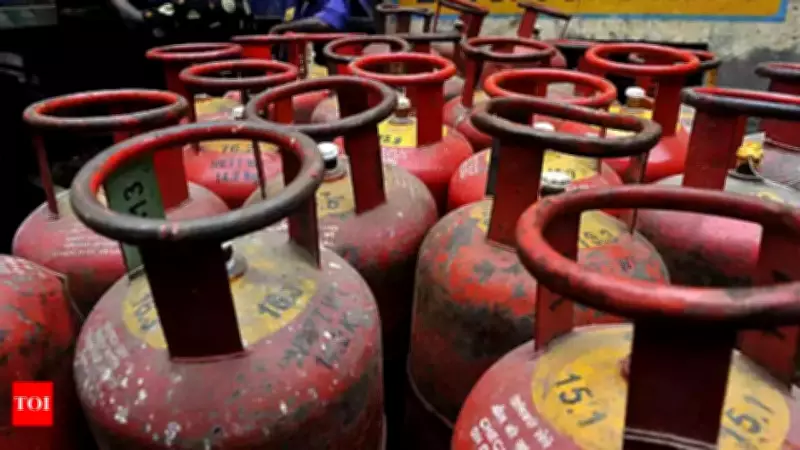
Industries across parts of Pune district are facing significant operational challenges due to a severe shortage of Liquefied Petroleum Gas (LPG), a crisis directly linked to the ongoing conflict in the Middle East. Several manufacturing units, particularly in the engineering and powder-coating sectors, have already reported substantial disruptions to their production schedules, with some forced to halt operations entirely.
Production Halts and Mounting Losses
Mass Precision Pvt Ltd, a powder-coating unit located in Chakan employing approximately 250 workers, has suspended all production activities since Friday due to the unavailability of LPG. Rajesh Deodhare, the owner of the firm, confirmed that while employees continue to report to work, production has come to a complete standstill.
"I have been attempting to procure LPG for the past four days, but distributors consistently report no stock available for commercial consumers," Deodhare stated. He highlighted the severe financial impact, noting his firm, with a monthly turnover of about Rs 7–8 crore, is incurring losses nearing Rs 25 lakh for each day production remains suspended.

"We encountered a similar situation during the Covid-19 pandemic when production was shut for nearly three months. Even when business halts, we remain obligated to pay workers' salaries and service our loan EMIs," he added, expressing concern that the situation could deteriorate further if supplies are not restored promptly.
Widespread Impact Across Industrial Units
The crisis is not isolated. Sahyadri Industries, another Chakan-based unit specializing in fabrication components, machined parts, and sheet metal assemblies, halted production four days ago after exhausting its LPG supplies. Jaidev Akkalkote, the owner, reported that around 10 to 15 workers are currently engaged only in cleaning duties due to the lack of production activity.
Both Akkalkote and Deodhare emphasized they continue to pay their workers despite the shutdowns, as skilled labor is difficult to replace once employees seek opportunities elsewhere.
Government Measures and Supply Prioritization
The Union Ministry of Petroleum and Natural Gas has implemented restrictions on LPG supply, prioritizing domestic households and emergency requirements over non-essential users. In an official communication, the ministry stated that a 25-day inter-booking period has been introduced to prevent hoarding or black marketing.
Furthermore, imported LPG for non-domestic use is being directed primarily towards essential sectors such as hospitals and educational institutions. For other non-domestic sectors, including restaurants, hotels, and various industries, a committee comprising three Executive Directors from Oil Marketing Companies has been established to review requests for LPG supply.
A senior official from Bharat Petroleum Corporation Limited (BPCL), speaking anonymously, confirmed that requests for bulk LPG supply from industries are undergoing stringent scrutiny. "Distribution is being approved only after verifying that the demand is linked to essential or emergency services," the official clarified.
Industry Concerns and Search for Alternatives
Industrial units that depend heavily on LPG typically maintain stock lasting only three to four days, raising alarms that more facilities could face imminent shutdowns if fresh supplies are not restored soon.
Industry representatives indicate that some units are exploring alternatives, such as transitioning to electric-powered ovens. However, this shift involves substantial capital investment and the installation of new machinery, a process that could take at least a month to implement.
The steel industry is also affected. Sakshi Katti, an executive at a steel-producing unit in Chakan, explained, "We have been seeking intervention as operating the furnace without fuel supply presents a major problem." The foundry, with a total capacity of 200 tonnes and fully reliant on LPG, requires around 20 cylinders every two weeks and is now left with only one week of stock.

"So far, we have not received a positive reply from anyone," Sakshi said. The only alternative is to revert to operating the furnace on diesel, which is significantly more costly. The factory had originally switched from diesel to LPG to reduce operational expenses.
Regional Industry Leaders Voice Alarm
Sandip Belsare, president of the Pimpri Chinchwad Small Scale Industries Association and owner of an engineering firm in Bhosari, noted that more than half of the industries in the region depend on LPG. "Some units are investigating alternatives, but it is a costly and complex process. I have ordered two electric-operated plasma machines for my own firm to explore this option," he shared.
Kalyan Dekhale, owner of Rudra Veer Technologies, a powder-coating unit with operations in Bhosari and Chakan employing 70 to 80 workers, reported his firm has LPG stock that will last only another two to three days. "If the supply is not restored, we too will have to halt operations," he warned, underscoring the precarious situation facing numerous small and medium enterprises in the Pune industrial belt.