

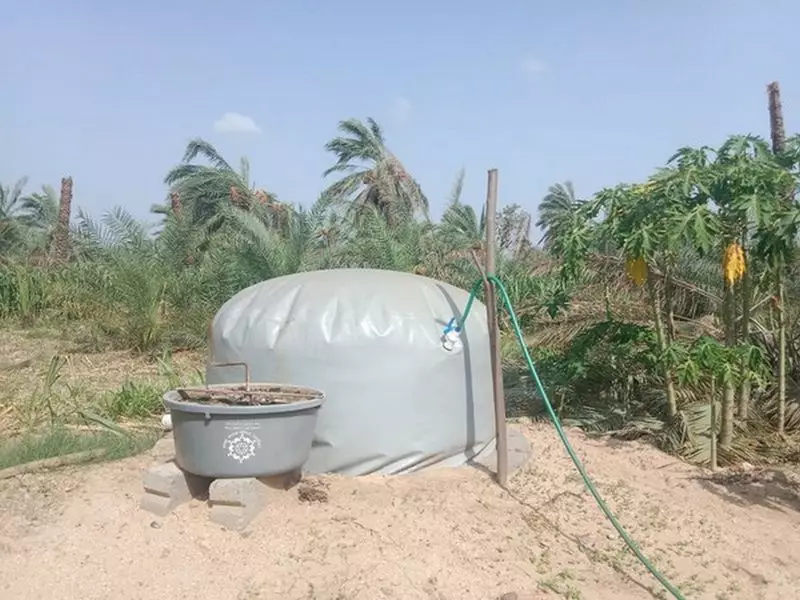
The growth of India's promising decentralised bio-CNG sector hinges on two critical pillars: a clear, stable policy framework and assured offtake agreements for the produced gas. Industry sources and experts highlight that while the potential is enormous, addressing these foundational issues is essential to attract investment and scale up operations across the country.
The Core Challenges: Policy Ambiguity and Market Uncertainty
Despite the government's push through initiatives like the SATAT (Sustainable Alternative Towards Affordable Transportation) scheme, stakeholders point to lingering ambiguities. A major hurdle is the lack of a long-term policy vision that provides financial and regulatory certainty for developers of small-scale, decentralised bio-CNG plants. These units are typically designed to process local organic waste—from agriculture, dairy, or municipal sources—and produce compressed biogas (CBG) for local consumption.
"Investors remain cautious because the rules of the game aren't fully defined for the long term," explained an industry source familiar with the discussions. The absence of a guaranteed offtake mechanism, where the produced gas has a secured buyer at a predetermined price, adds significant financial risk. This deters banks and financial institutions from lending to these projects, which are often championed by entrepreneurs and smaller firms.

Immense Potential Meets Ground-Level Hurdles
The potential for decentralised bio-CNG in India is staggering. The country generates millions of tonnes of organic waste annually, which can be converted into clean energy and valuable organic manure. Decentralised models reduce transportation costs for feedstock and finished products, create local jobs, and contribute to circular economy principles.
However, on the ground, developers face a maze of challenges beyond policy:
- Feedstock Supply Security: Ensuring a consistent, affordable, and quality-controlled supply of organic waste.
- Infrastructure Gaps: Lack of local CBG dispensing stations and integration with existing CNG networks.
- Technical Expertise: Need for skilled manpower to operate and maintain these plants efficiently.
These factors compound the financial uncertainty, making projects less bankable despite their social and environmental benefits.
The Path Forward: Demands from the Industry
To accelerate the sector, industry players are calling for concrete actions from both central and state governments. The primary demand is for a robust policy framework that explicitly supports decentralised models, not just large-scale plants. This framework should include:
- Standardised Power Purchase Agreements (PPAs) for CBG: Similar to those in the solar sector, to guarantee offtake and pricing for a fixed period (e.g., 15-20 years).
- Streamlined Clearances: A single-window system for faster approvals related to land, environment, and safety for smaller plants.
- Financial Incentives: Targeted capital subsidies, interest subventions, or priority sector lending for decentralised bio-CNG projects.
- Feedstock Linkage Support: Policy mechanisms to facilitate long-term agreements between plant operators and waste generators like municipal corporations or farmer producer organisations (FPOs).
"Assured offtake is the single biggest catalyst we need," emphasised another source. "If the government or oil marketing companies (OMCs) can back long-term purchase agreements, it will de-risk projects and unlock institutional finance."
Broader Implications for Energy and Environment
Successfully scaling up the decentralised bio-CNG industry holds profound implications for India. It directly supports national goals for energy independence, waste management, and reduction of greenhouse gas emissions. By converting waste into wealth locally, it can also boost rural economies and provide a sustainable alternative to chemical fertilizers through bio-manure.

The current juncture is critical. With global focus on energy transition and India's own net-zero commitments, creating an enabling ecosystem for distributed renewable energy sources like bio-CNG is no longer just an option but a necessity. The call from the industry is clear: translate the broad vision of schemes like SATAT into a detailed, actionable, and supportive roadmap for the decentralised sector to truly harness the power of waste.





