Global Conflicts Trigger Price Volatility in Surat's Textile Hub
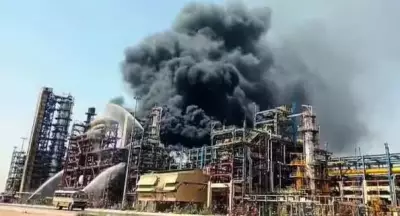
The textile industry in Surat, India's premier synthetic fabric manufacturing center, is facing severe pressure from a sharp increase in crude oil and coal prices. This surge, largely attributed to escalating geopolitical tensions including conflicts in the Middle East, is driving up production costs and raising alarms about significant price hikes for finished textile products such as sarees, dress materials, and garments.
Direct Impact on Yarn and Fabric Production
Crude oil prices have exhibited extreme volatility, jumping from approximately $75 per barrel just a week ago to a peak of $120 on Monday before retreating to around $92. This instability has directly affected petroleum-based yarn products, particularly polyester and nylon, which are fundamental to Surat's textile output. Industry reports indicate that yarn prices have escalated by Rs 10 to Rs 30 per kilogram across several categories, imposing a heavy burden on manufacturers and weavers.
Mayur Golwala, secretary of the Sachin Industrial Society, highlighted the predicament faced by small-scale weavers. "There is a sharp rise in yarn prices and, in the current scenario, weavers prefer to stop buying and observe a holiday for one or two days a week. For a small weaver, it is not affordable to continue business in such conditions," he explained.

Weak Market Demand Compounds Challenges
Compounding the issue of rising input costs is a notably weak market demand for fabrics. Weaving units in Surat are exercising caution in purchasing yarn at elevated prices due to stagnant fabric sales. Vijay Mevawala, former president of the Southern Gujarat Chamber of Commerce and Industry (SGCCI), noted, "Yarn prices are rising due to higher raw material costs, while fabric demand is low, so we are not getting good prices. Major markets like Dubai are also stagnant, limiting orders."
This slowdown is particularly unusual as the industry typically ramps up production in anticipation of the festive season, when demand for textile products traditionally surges. Instead, traders report an unusually sluggish market.
Coal Price Hike Intensifies Pressure on Processors
The crisis has deepened with coal prices soaring by nearly 35% over the past fifteen days. Textile processors, who rely heavily on coal for their operations, have begun increasing processing charges to mitigate the impact of higher fuel costs. This additional expense further inflates the overall cost of textile manufacturing.
Projected Price Increases for Finished Goods
Industry experts warn that if the current situation persists, prices for finished textile products could rise by at least 20%. Kailash Hakim, president of the Federation of Textile Traders Association (FOSTTA) Forum, stated, "There is already slow business in textiles at present. If the situation continues, it could push finished product prices up by at least 20%."
Himanshu Jariwala, a yarn manufacturer, emphasized the international dimension of the price pressures. "The cost of yarn manufacturing is rising due to the war and increasing crude prices. These prices depend largely on international factors," he said.
Broader Implications for Surat's Economy
Surat, with a daily production capacity of approximately 6 crore metres of greige fabric, is a critical hub in India's textile landscape. The dual impact of rising input costs and weak demand threatens not only the profitability of manufacturers and weavers but also the affordability of textile products for consumers nationwide. The industry is closely monitoring global developments, as continued volatility in crude oil and coal markets could lead to sustained economic strain on this vital sector.