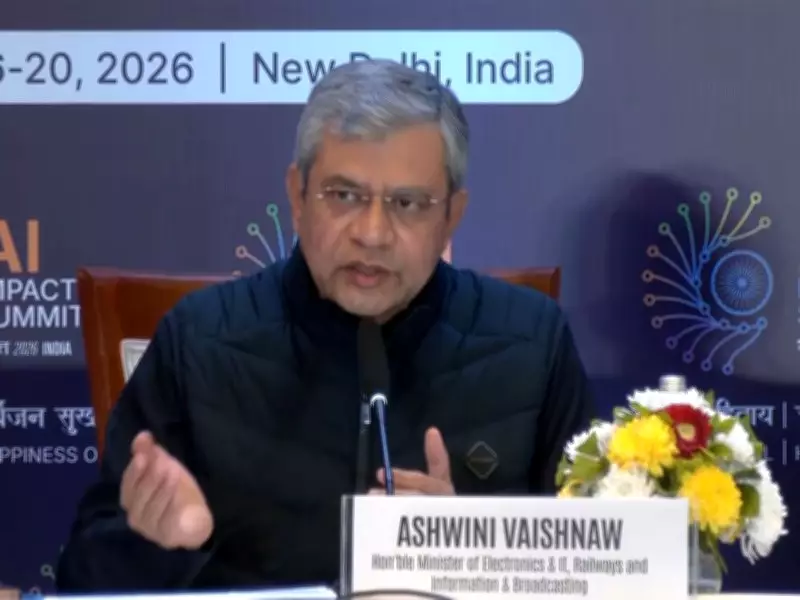
In a significant statement outlining India's future energy roadmap, Union Minister Ashwini Vaishnaw has declared that nuclear power is poised to play a major role in meeting the nation's escalating energy requirements. This announcement underscores the government's strategic focus on diversifying the energy mix and reducing dependency on fossil fuels, positioning nuclear energy as a cornerstone for sustainable development.
Strategic Importance of Nuclear Energy
Vaishnaw highlighted that as India continues its rapid economic growth and urbanization, the demand for electricity is projected to surge dramatically in the coming decades. Nuclear power, with its ability to provide large-scale, reliable, and low-carbon electricity, is seen as an essential component to bridge this gap. Unlike intermittent renewable sources like solar and wind, nuclear plants can operate continuously, ensuring a stable power supply to support industrial and domestic needs.
Government's Vision and Initiatives
The minister elaborated on the government's proactive measures to expand nuclear capacity, including investments in new reactor technologies and collaborations with international partners. These efforts aim to enhance safety standards, reduce costs, and accelerate the deployment of nuclear projects across the country. Vaishnaw emphasized that this push aligns with India's commitments under global climate agreements, contributing to reduced greenhouse gas emissions while fostering energy security.

Challenges and Opportunities
While nuclear power offers immense potential, Vaishnaw acknowledged challenges such as public perception, regulatory hurdles, and high initial capital costs. However, he pointed to advancements in technology, such as small modular reactors and thorium-based systems, which could mitigate these issues and make nuclear energy more accessible. The minister also stressed the importance of skill development and research in the nuclear sector to build a robust workforce capable of driving this expansion.
In conclusion, Ashwini Vaishnaw's remarks signal a renewed emphasis on nuclear power as a key pillar of India's energy strategy. By leveraging this clean energy source, India aims to not only meet its growing electricity demands but also pave the way for a greener and more resilient economy in the years ahead.