Encouraged by Chandigarh’s record excise performance, liquor vend operators across the National Capital Region (NCR) are urging the Haryana government to adopt similar reforms, particularly the introduction of L-10B licences that permit liquor sales through departmental stores in Gurugram and Faridabad.
Chandigarh’s Record Excise Year
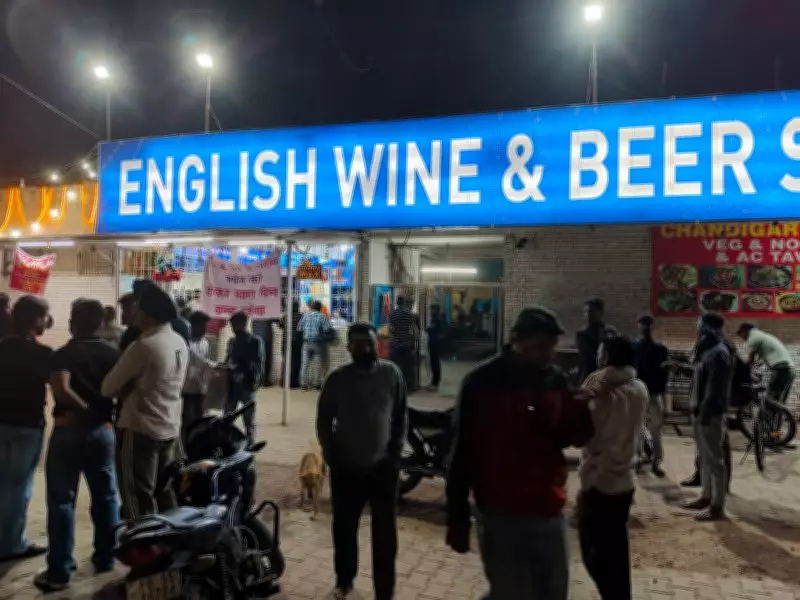
Chandigarh recently allotted all 97 of its retail liquor vends for the Excise Policy Year 2026-27, achieving the first complete sell-out in a decade. The auction generated bids worth Rs 563.78 crore against a reserve price of Rs 453.05 crore, yielding a premium of Rs 110.73 crore, or 24.44 per cent, the highest in four years. Revenue had already exceeded Rs 199.78 crore by May 31, nearly a fifth of the UT’s annual target of Rs 1,000 crore within two months, with projections suggesting the city could surpass Rs 1,200 crore by year-end.
L-10B License: A Model for NCR
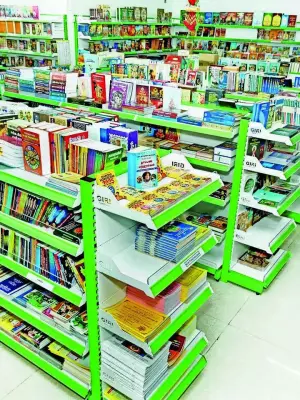
Chandigarh now permits liquor sales through organised departmental stores, a model that industry representatives believe is ideal for Gurugram and Faridabad, where malls, premium retail, and a young, affluent clientele dominate the consumer landscape.

“The reintroduction of the L-10B licence is designed to ensure a dignified, accessible and quality-driven retail experience, especially for consumers who may find a standalone vend intimidating,” said Nishant Kumar Yadav, Deputy Commissioner and Excise and Taxation Commissioner, Chandigarh.
For the NCR trade, the case is both commercial and cultural. “We need this licence urgently. Corporate clients expect an organised retail experience, not the traditional roadside theka. Chandigarh has already provided a ready template for reform. Haryana only has to adopt it,” said a representative of the NCR Vends Association.
Gurugram and Faridabad: Key Markets
Gurugram is Haryana’s largest liquor market. A liquor zone at Bristol Chowk on Golf Course Road fetched a record Rs 98.6 crore in this cycle, making it the costliest liquor zone ever auctioned in the state. However, the district also faced challenges during the auction process. Of its vends across the East and West Gurugram excise zones, 63 found no takers despite repeated rounds—25 in the East and 17 in the West—forcing the department to offer a 3 per cent discount to chase an additional Rs 500 crore. Operators blame the lukewarm response on unrealistic reserve prices inflated over years of aggressive bidding, which left contractors no room to recover heavy upfront payments under a policy that squeezed out smaller players.
Gurugram contributed the largest share of the state’s excise revenue at Rs 3,875 crore, or 27 per cent of the total auction value, followed by Faridabad at Rs 1,696 crore, or 12 per cent. Other districts like Sonepat, Rewari, Hisar, Karnal, and Panipat trailed behind.
Technology-Driven Enforcement in Chandigarh
According to Chandigarh operators, the success of the UT’s excise policy stems not only from the L-10B license but also from a technology-driven enforcement framework. “The results speak for themselves. Measures such as track-and-trace systems for liquor bottles, GPS monitoring for transport vehicles, CCTV surveillance at vends and bottling plants, real-time stock monitoring and auto-renewal of licences have helped contribute to a transparent and competitive excise ecosystem,” an operator told The Tribune. Offenders faced not just licence cancellation but blacklisting from future allotments.
Challenges in Haryana
In contrast, Haryana’s auctions were dogged by fear—the murder of a contractor in Kurukshetra and gang threats to bidders in Rohtak and Yamunanagar kept serious players away until the state intervened at the top. While the state eventually auctioned all 1,194 retail liquor zones for a record Rs 14,342 crore—nearly double the Rs 7,025 crore of 2024-25—roughly 260 zones across 20 districts initially drew no bids even after five auction rounds.
For the NCR trade, the lesson is clear: realistic reserve pricing, bidder safety, firm enforcement, and a retail model fit for an urban market. Gurugram and Faridabad generate the bulk of Haryana’s liquor revenue, yet remain stuck with a vend-only template.