Mumbai's Bhissi Kitchens Shut Down as LPG Shortage Forces Migrant Exodus
In Mumbai, the traditional Bhissi kitchens, which have long been a lifeline for thousands of low-income migrant workers, are facing an unprecedented crisis. A severe shortage of LPG cylinders, exacerbated by global tensions, has forced these community kitchens to shut their doors, leading to a mass exodus of workers back to their home states.
The Last Meal Before the Crisis
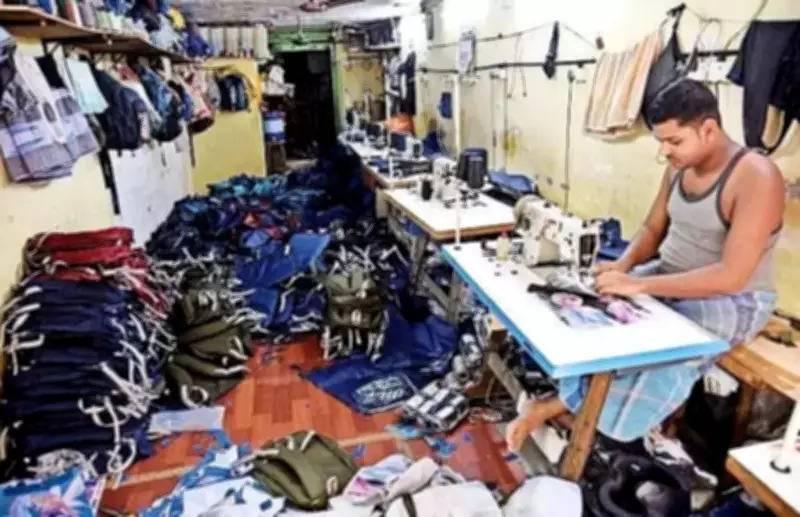
Mohammed Naim, a Bhissi owner in Byculla, prepared his final meal just before the sighting of the new crescent moon marking the end of Ramzan. "When the LPG cylinders' shortage hit, I thought the crisis would end in a few days. But it continued, and I had to stop the service. Most of my clients have left for home," Naim lamented. Derived from the Hindi word for twenty, Bhissis originally catered to groups of twenty workers, providing affordable meals in unorganized sectors like bag manufacturing and zari units across areas such as Madanpura, Dharavi, and Govandi.
These kitchens charge a nominal fee of Rs 500 for two meals a day, six days a week, making them essential for migrant laborers from Bihar, Jharkhand, Uttar Pradesh, and West Bengal. With the Bhissis closed, thousands have already departed, and those remaining may soon follow if the cooking gas supply is not restored promptly.

Impact on Local Industries and Workers
Abrar Ahmed Shaikh, a bag manufacturer in Madanpura, highlighted the dire situation. "They cannot afford to eat at restaurants. They prefer to go home rather than stay back and starve," he said. Shaikh's workforce has dwindled from twenty to just three since the crisis began on February 28, with even these remaining workers planning to leave. "I cannot force them to stay back as arranging for food is almost impossible. There is a 27-day waiting period even for domestic LPG cylinders, and the black market for gas has vanished," he added.
Mohammed Anis, who used to cook for around 400 workers at his Bhissi in Central Mumbai, has shut down operations and returned to his village in Bahraich, Uttar Pradesh. "I do not think I will return and resume my business unless the gas cylinders are available," Anis stated over the phone, echoing the sentiments of many Bhissi owners who have been forced to abandon their livelihoods.
A Pandemic-Like Situation Emerges
Mohammed Ahsan Hassan, former secretary of the Bihar Foundation, warned of a scenario reminiscent of the pandemic. "During the pandemic, migrant workers left as Bhissis and hotels shut. The same situation will hit us if cooking gas remains unavailable," he said. Hassan noted that even roadside vendors selling ready-to-eat items like idli sambhar in areas such as BKC have disappeared, leaving employees without affordable breakfast or snack options. "Where will many employees buy their food from? They will eventually leave the city," he predicted.
Practical Challenges and Future Prospects
Bhissi owners face additional hurdles beyond the gas shortage. Even if alternatives like coal or charcoal were available, cooking in cramped slum or chawl settings is impractical. "If we cook food at charcoal-fired ovens, the smoke and heat in these tiny places will be unbearable. And we operate from rented places; owners will not allow us to cook meals on coal," explained one Bhissi owner. This underscores the complex challenges in reviving these essential services without a reliable LPG supply.
The shutdown of Bhissi kitchens not only threatens the sustenance of migrant workers but also jeopardizes local industries reliant on this labor force. As the crisis deepens, urgent measures are needed to restore cooking gas availability and prevent further economic disruption in Mumbai.