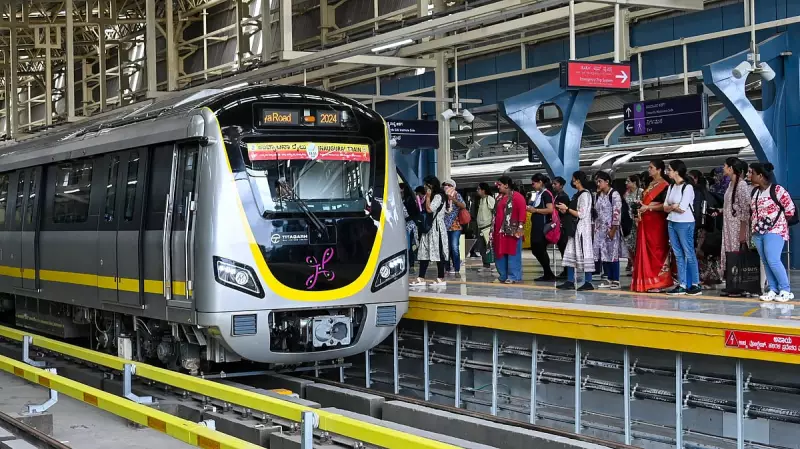
Persistent delays in metro coach deliveries have prompted a significant shift toward domestic manufacturing capabilities in India's transportation sector. The recent partnership between CRRC and Kolkata-based Titagarh Rail Systems marks a crucial step in addressing supply chain vulnerabilities while boosting local production.
From Delays to Domestic Solutions
The collaboration emerged after extended disruptions in metro coach supplies created operational challenges across urban transit systems. CRRC, facing prolonged delivery timelines, has now joined forces with Titagarh Rail Systems, a established domestic manufacturer with deep roots in Kolkata's industrial landscape.
This strategic move aims to establish coach assembly operations within India, reducing dependency on international supply chains that have proven vulnerable to global disruptions. The partnership represents a practical response to the pressing need for reliable urban transportation infrastructure.

Strengthening Local Manufacturing
The Kolkata-based manufacturer brings substantial expertise to this collaboration, positioning itself as a key player in India's push for greater self-reliance in railway manufacturing. The assembly initiative, confirmed on November 7, 2025, signals a broader commitment to developing domestic capabilities in critical transportation infrastructure.
This development aligns with India's ongoing efforts to enhance its manufacturing ecosystem while ensuring timely delivery of essential urban transit equipment. The localization of coach production addresses both immediate operational needs and long-term strategic goals.
Broader Implications for Urban Transit
The shift toward domestic assembly operations carries significant implications for India's urban development trajectory. By establishing local manufacturing capacity for metro coaches, cities can expect more reliable rollout schedules for expanding their mass transit networks.
This partnership demonstrates how supply chain challenges can catalyze important advancements in domestic industrial capabilities. The move not only addresses current metro system requirements but also builds foundation for future transportation projects across the country.
As Indian cities continue to expand their metro networks, the development of robust local manufacturing partnerships becomes increasingly crucial for sustainable urban growth and transportation self-sufficiency.