Maharashtra Sets Ambitious Goal for Data Centre Expansion by 2030
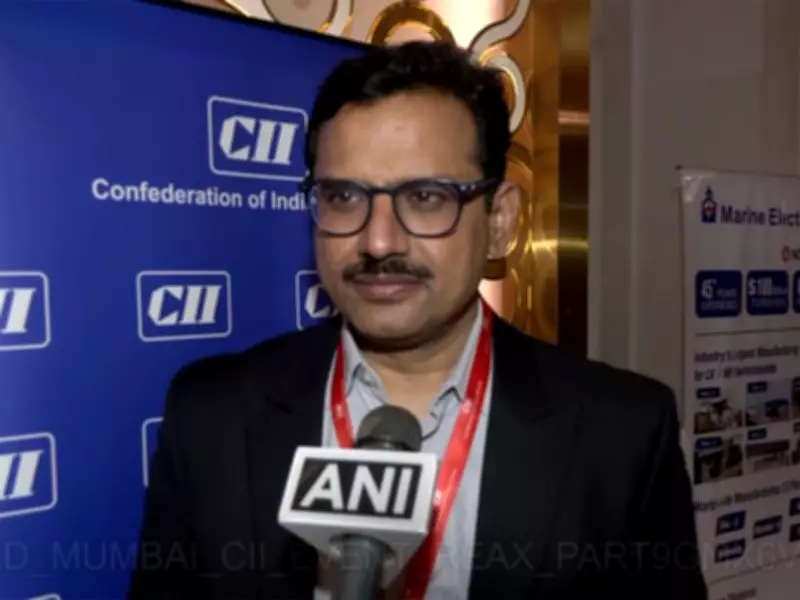
Maharashtra, a key player in India's digital landscape, is poised for a significant transformation in its data centre infrastructure. According to State Development Commissioner-Industries Deependra Singh Kushwah, the state aims to expand its data centre capacity five-fold by the year 2030. This announcement was made during the 7th CII Datacenter Blueprint Summit 2026, highlighting Maharashtra's strategic focus on bolstering its technological backbone.
Current Capacity and Future Projections
At present, Maharashtra boasts approximately 1 gigawatt of data centre capacity, which accounts for a substantial portion of India's total infrastructure in this sector. Kushwah revealed that the state has secured memoranda of understanding worth around ₹5 lakh crore for upcoming investments in data centres. He expressed confidence that this influx of capital will enable Maharashtra to generate more than 5 gigawatts of capacity by 2030, marking a dramatic increase from current levels.
Factors Driving Maharashtra's Leadership
Several key advantages position Maharashtra as a prime hub for data centre development. The state benefits from favourable policies, robust infrastructure, and access to a skilled workforce. Its proximity to undersea cable landing stations and strong connectivity networks have made Mumbai and surrounding areas attractive locations for hyperscale and enterprise data facilities. Kushwah noted that all leading companies in the sector have established operations in Maharashtra, thanks to the government's proactive approach in attracting investments.

Industry observers point out that Maharashtra's dominance in India's data centre stock is driven by these factors, which collectively enhance its appeal to global operators and cloud service providers. The state's strategic initiatives are expected to scale up existing capacity by five to ten times over the next five to seven years, aligning with broader industry expectations for rapid growth in digital infrastructure.
Addressing Energy and Sustainability Challenges
As data centres are among the most energy-intensive facilities in the technology sector, powering this expansion presents a significant challenge. Kushwah addressed this by highlighting Maharashtra's current status as a surplus state in terms of power. However, to meet the escalating demand from data centres, the state plans to double its power generation and transmission capacity by 2030. Importantly, 50% of this new capacity will be sourced from renewable energy, underscoring Maharashtra's commitment to sustainability.
The commissioner assured investors that Maharashtra will provide sufficient electricity, water, and necessary infrastructure to support large-scale data centre operations. This assurance is crucial for attracting and retaining investments in an industry where reliability and scalability are paramount.
Broader Implications for India's Digital Economy
The planned expansion comes at a time when demand for data storage and processing is surging across India. Industry reports project that the nation's total data centre capacity could multiply several times by 2030, driven by factors such as increased cloud adoption, artificial intelligence workloads, and the proliferation of digital services. Maharashtra's aggressive investment plans and policy support position it to remain at the forefront of this growth, reinforcing its role in India's evolving digital economy.
By leveraging its existing strengths and addressing future challenges, Maharashtra is set to not only meet but exceed its targets, ensuring a robust and sustainable digital infrastructure for years to come.