LPG Supply Crisis Puts Major Glass Bottle Manufacturer on Brink of Shutdown
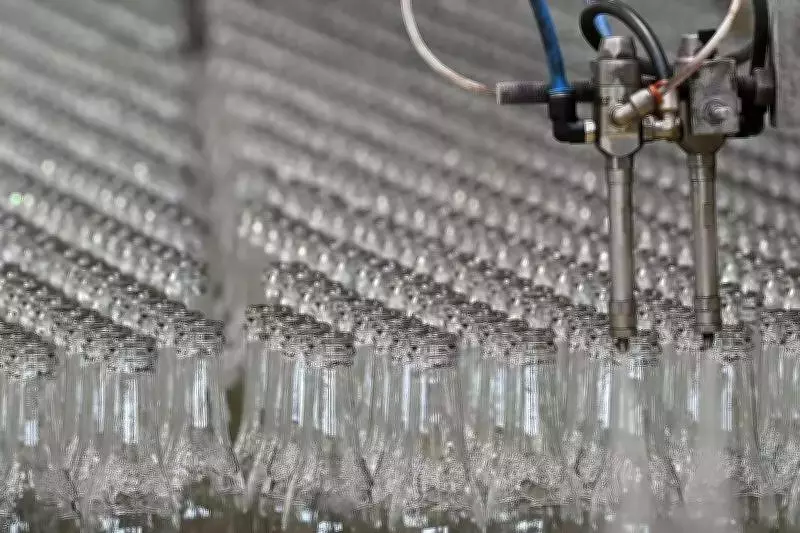
A critical shortage of commercial LPG supply has placed CANPACK India, one of the nation's premier glass bottle manufacturers, under severe operational strain. The company has issued warnings that extended disruption could significantly reduce production volumes and potentially force the complete shutdown of its manufacturing facility in Chhatrapati Sambhajinagar.
Vulnerable Glass Furnaces Require Continuous Fuel Supply
The company's two state-of-the-art glass furnaces cannot be allowed to cool abruptly, as such action could result in catastrophic damage valued at approximately Rs 600 crore. CEO Vikram Potdar explained that these furnaces maintain molten glass at extreme temperatures around 1,700°C. Safely reducing this temperature requires nearly a month of careful management, while completely rebuilding and reheating the furnaces could demand up to six months of intensive work.
"Even if bottle production operations are temporarily paused, the furnaces must continue operating using fuel oil and LPG," Potdar emphasized. "The alternative would be economically devastating for the plant and the broader industrial ecosystem."
Multiple Manufacturing Plants Face Production Risks
CANPACK India, a global multinational corporation producing aluminium beverage cans and glass bottles for food, pharmaceutical, and beverage industries, operates three advanced manufacturing facilities across India. In addition to the glass bottle plant in Sambhajinagar, Maharashtra, the company maintains aluminium can manufacturing units in both Sambhajinagar and Nuh, Haryana. All three facilities now face production risks due to the ongoing LPG supply crunch.
The company employs approximately 1,000 workers across its three manufacturing plants, with their livelihoods potentially threatened by the fuel crisis.
Industry-Wide Implications and Government Appeals
Potdar revealed that multiple formal representations have been submitted to petroleum companies, the Maharashtra Chief Minister's office, and the Ministry of Industry, urgently requesting uninterrupted LPG and fuel supply to prevent industrial shutdowns. The glass bottle plant in Sambhajinagar operates two furnaces with 450-tonne capacity each, requiring approximately 12 tonnes of LPG daily to maintain normal operations.
Industry organizations have cautioned that any interruption in bottle manufacturing could severely impact liquor and beer producers throughout the region. Sambhajinagar hosts six beer production units and a similar number of foreign liquor plants, many manufacturing major national brands. A disruption in bottle supply could stall bottling operations and potentially affect state excise revenue collection.
Sharp Price Increases and Dwindling Fuel Reserves
The LPG shortage has triggered dramatic price increases across the region. Domestic LPG costs have skyrocketed from approximately Rs 63 per kilogram just ten days ago to Rs 135 per kilogram currently. Officials report that commercial LPG availability in the city has nearly collapsed entirely.
According to supply officer Pravin Phulari, the city typically distributes about 20,130 gas cylinders daily, but remaining stock is expected to last only two more days. Fuel reserves are critically stretched, with petrol and diesel availability estimated at just 60% of normal levels.
Industries Operating on Borrowed Time
Utsav Machhar, president of the Chamber of Marathwada Industries and Agriculture (CMIA), stated that industries were barely managing to function on Tuesday. "Companies somehow managed to operate through the day, but shutdowns may begin as soon as existing stocks are exhausted," he warned. "For now, operations continue running, but the situation remains extremely precarious."
The industrial crisis highlights the vulnerability of manufacturing operations dependent on continuous fuel supply and raises concerns about broader economic impacts across multiple sectors in Maharashtra's industrial landscape.