LPG Cylinder Shortage Forces Menu Changes in Jamshedpur Industrial Canteens
Canteens operating within industrial units across Jamshedpur and Adityapur have been compelled to significantly alter their food offerings due to a critical shortage of commercial LPG cylinders. This supply disruption is directly impacting the subsidized meals provided to approximately 50,000 factory workers in the region. In a major dietary shift, staple items like roti and paratha have been largely removed from menus and replaced by rice-based dishes.
Black Market Prices Soar as Supply Vanishes
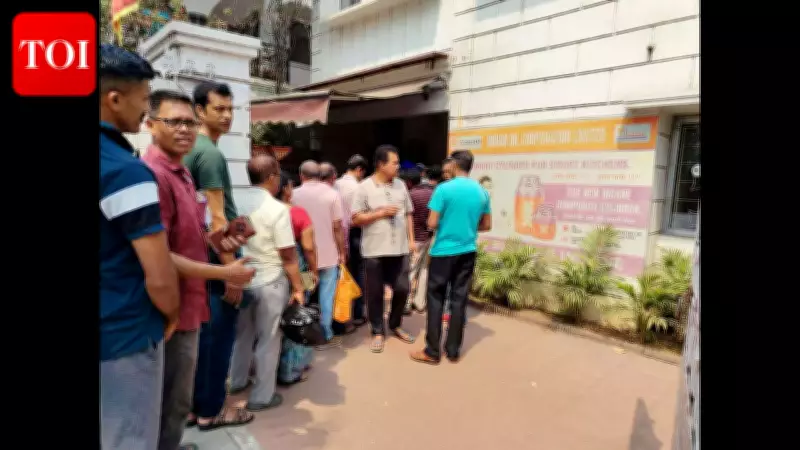
Kingshuk Mukherjee, a canteen operator with two decades of experience at a manufacturing unit in Adityapur, detailed the severity of the crisis. "Making rotis consumes significantly more gas compared to rice, which can be prepared efficiently in a single container," he explained. "Commercial cylinders have virtually disappeared from the regular market. Gas agencies are unresponsive—they aren't answering calls or accepting online bookings."
The scarcity has fueled a rampant black market, where the price for a standard 19.2-kg cylinder has skyrocketed to over Rs 4,500, a stark contrast to its official rate of Rs 1,900. "I am willing to pay intermediaries, but even they cannot guarantee a steady supply. I am constantly running short," Mukherjee added, highlighting the operational nightmare.

Drastic Menu Cuts and Fuel Rationing Implemented
Facing what he describes as his first-ever LPG crunch, Mukherjee has implemented severe menu restrictions in consultation with company management:
- Breakfast: Reduced to bread with butter and boiled eggs only.
- Lunch & Dinner: Now consist solely of rice, dal (lentils), and one vegetable dish (sabji), with all non-vegetarian items suspended.
- Evening Snacks: Limited to tea with biscuits.
"We have completely stopped serving roti, aloo or gobi paratha, and all South Indian specialties like dosa, idli, uttapam, and upma because they are too fuel-intensive," he stated. His primary focus is on rationing the dwindling LPG stocks to ensure no worker goes hungry.
Factory Owners and Workers Adapt to the Crisis
Bhusan, an owner of an automobile parts ancillary unit, emphasized the critical role of canteens for shift workers who travel from distant locations. "Workers cannot perform effectively without proper food. However, we cannot resort to alternative methods like coal stoves inside factory premises due to strict safety regulations," he noted.
His unit has also simplified its menu drastically, now serving khichdi (a rice and lentil porridge) with papad and pickle for both lunch and dinner. "Fortunately, our workers are being understanding and cooperative, making no fuss about these necessary changes," Bhusan said, while expressing hope for swift government intervention to resolve the LPG crisis.
Ripple Effects Beyond Factory Gates
The crisis has extended its reach beyond industrial areas. Several roti stalls in the residential neighborhoods of Steel City have been forced to shut down. Raunak, a stall owner, shared his futile efforts: "For the last five days, I have been desperately trying to source an LPG cylinder without success. I am prepared to pay three times the official price, but black-marketeers themselves cannot supply even a half-filled cylinder at this point."
The situation underscores a growing food security concern for the industrial workforce in Jamshedpur, with businesses and employees alike awaiting a normalization of the commercial LPG supply chain.