Commercial LPG Shortage Cripples Hospitality Sector Amid Global Supply Disruptions
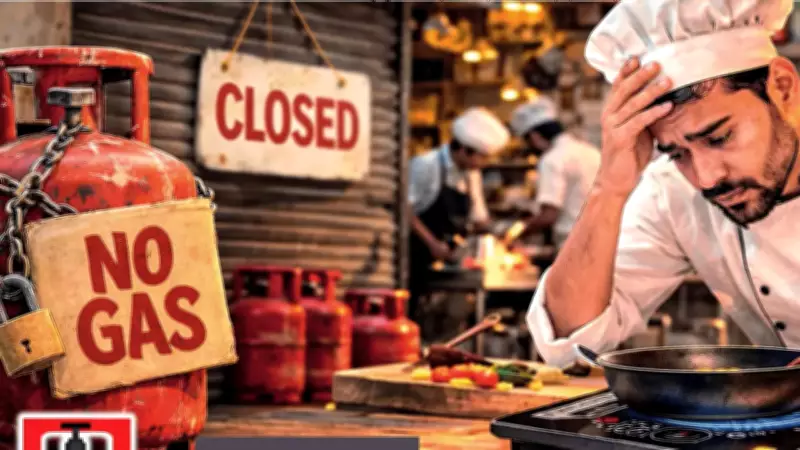
A critical shortage of commercial LPG cylinders is sending shockwaves through India's hospitality industry, forcing restaurants, hotels, and caterers to implement drastic measures to keep their kitchens operational. The supply crunch, reportedly exacerbated by global supply chain disruptions amid ongoing geopolitical tensions, is rapidly escalating into a full-blown crisis for food service establishments nationwide.
Metropolitan Hubs Bear the Brunt of Supply Crunch
The crisis is most acute in Tier-1 urban centers where the hospitality sector depends heavily on daily cylinder deliveries. In Delhi and Kolkata, commercial supplies have reportedly dried up completely as agencies prioritize domestic refills. Some Delhi agencies that typically sell 300 commercial units daily have recorded zero sales in recent days.
Mumbai faces an equally dire situation, with approximately 20% of hotels and restaurants already forced to close temporarily. Industry bodies like the Indian Hotel & Restaurant Association (AHAR) warn that up to 50% of establishments could shut down within the next 48 hours if the situation doesn't improve. Bengaluru hotels report that distributors have stopped supplying commercial cylinders entirely, forcing many to reduce menu items or cut operating hours.

Restaurants Forced to Trim Operations and Menus
Across affected cities, restaurants are implementing multiple strategies to cope with the shortage. Many are significantly reducing their operating hours, particularly in specific sections like dosai service. Menu optimization has become essential, with establishments temporarily pausing certain cuisine items that require extensive LPG usage.
V Vishnu Shankar, director of Adyar Ananda Bhavan, explains their approach: "We have begun optimizing our electric kitchens for bulk cooking to conserve our limited LPG supplies. To maintain service continuity, we have temporarily paused certain North Indian menu items and streamlined our overall offerings. We have also reduced operational timings in specific sections to manage the crisis effectively."
Hotels and Caterers Scramble for Alternatives
The hospitality sector is rapidly adopting alternative cooking methods to reduce dependence on LPG. Raji Benny, general manager of Fortel, reveals their contingency plan: "While we aren't planning on shutting down operations for now, we are aggressively reducing LPG usage by transitioning to induction cooktops and firewood-based stoves wherever feasible."
Caterers face particularly challenging circumstances, as explained by M Eniyavan, general secretary of Tamil Nadu Samayal Kalai Thozhilalar Munnetra Sangam: "A wedding caterer typically needs at least seven to eight cylinders per order, and our business fundamentally relies on serving food hot. This price hike combined with the severe shortage has created an unsustainable situation. Since catering orders are booked well in advance, adjusting prices midstream simply isn't an option for us."
Broader Impact on Food Services
The ripple effects extend beyond restaurants and hotels to other food service providers. The Tamilnadu IT Hostel & PG Owners Welfare Association has issued a circular announcing that their members have decided to suspend serving numerous items including coffee, tea, dosai, chapathi, sambar, and kurma until the situation improves. The association is actively exploring alternative methods to minimize gas usage across their operations.
As the commercial LPG shortage continues to intensify, the hospitality sector faces mounting pressure to adapt quickly. With global supply chains disrupted and domestic prioritization favoring household cylinders, food service establishments must navigate this crisis through innovative cooking alternatives, operational adjustments, and menu optimization to survive what industry experts describe as one of the most challenging supply situations in recent memory.