Goa's Sweet Shops Struggle as LPG Cylinder Shortage Hits Traditional Mithai Production
The aroma of freshly fried gulab jamun and simmering milk for khoya has faded at many of Goa's beloved sweet shops. A critical shortage of commercial LPG cylinders is squeezing the state's traditional mithai industry, forcing proprietors to drastically cut production, reduce menus, and seek expensive alternatives to keep their businesses afloat.
Empty Trays and Reduced Menus
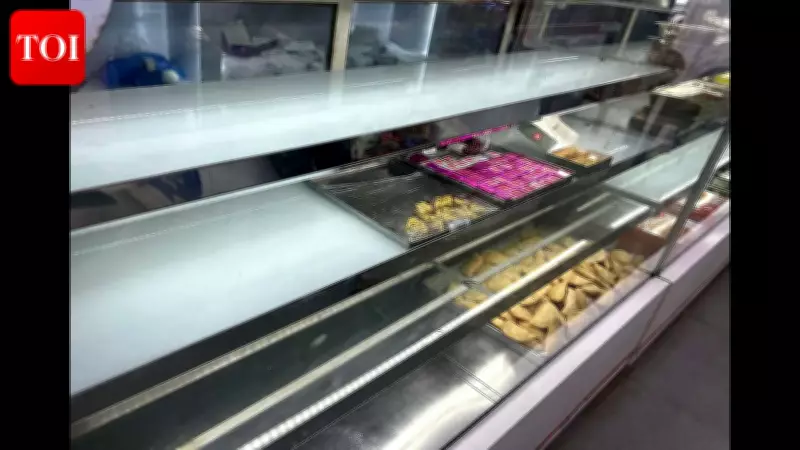
At Shetye Sweets in Panaji, workers have stopped their early morning rituals of frying jalebi and preparing peda for the past four days. The proprietor pointed to empty display trays, stating they can only sell chips and farsan now. This scene is becoming common as the LPG crisis deepens.
The Goan Laddoo has trimmed its menu, eliminating items like kharvas (colostrum pudding) and potato vadas that require prolonged stove use. Proprietor Amey Vaingankar highlighted the dual challenge of supply shortages and soaring black-market prices, with cylinder costs reportedly jumping from Rs 1,600 to Rs 3,000. "It's not just availability—it's affordability too," he emphasized.

Frustration and Adaptation
In Mapusa, Anand Keni Sweetmart has scaled back production of fuel-intensive items such as puran polis, jalebi, peda, and samosas. Proprietor Anand Keni expressed frustration, noting businesses would prefer moderate price hikes over complete supply disruption. "Govt can increase rates of commercial LPG cylinders as we are ready to pay Rs 500–600 extra per cylinder. But how can we run a business if supply stops altogether?" he questioned.
However, not all establishments are equally affected. Larger shops or those with diversified sourcing have managed to cushion the impact. For instance, Big Mishra Peda sources sweets from Dharwad, ensuring uninterrupted supply. Similarly, Rasoda and Sweet Nation reported sufficient stock to maintain operations.
Innovative Solutions and Rising Costs
Some shops are adapting creatively. At Sunrise Sweets in Panaji, staff have switched to diesel-fuelled cooktops to sustain production. Despite rising input costs, the shop has refrained from passing the burden to customers. "Raw material prices have increased, but we haven't raised our product prices yet," a representative stated.
Shop owners warn that if the shortage persists, consumers may face fewer choices and potentially higher prices across Goa. The crisis threatens to alter the state's culinary landscape, impacting both traditional recipes and local economies.
Broader Implications
The LPG shortage highlights vulnerabilities in Goa's small business sector, particularly those reliant on consistent fuel supply for labor-intensive processes. While some shops resort to alternative fuels or external sourcing, others face operational paralysis.
For now, Goa's iconic sweet counters remain open, but behind the scenes, many operate under significant strain. The industry hopes for a swift resolution to restore both supply and the sweetness that defines Goan culture, preserving a cherished tradition for future generations.