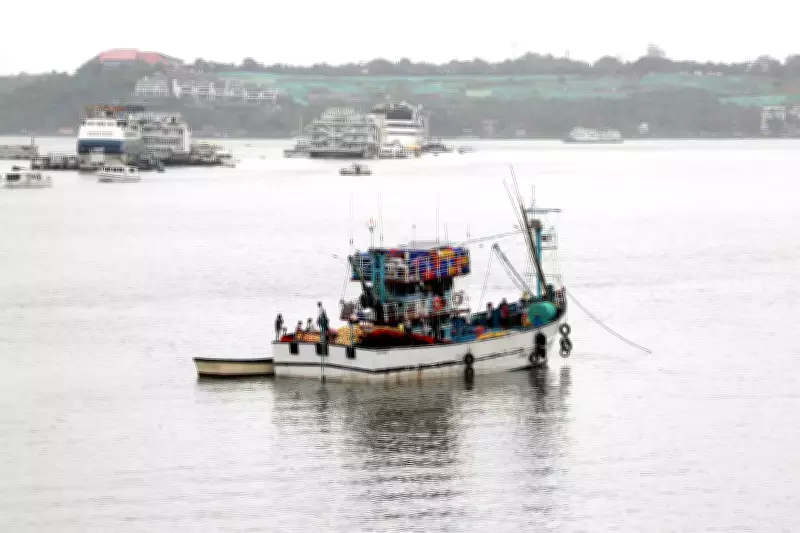
Goa's Fishing Industry Grapples with Severe LPG Cylinder Shortage
Panaji: The fishing industry in Goa is confronting a critical operational challenge due to an acute shortage of commercial LPG cylinders. Mechanized boat owners have raised alarms that their fishing activities may come to a complete standstill if the supply crisis continues unresolved.
Imminent Threat to Fishing Operations and Market Supply
This disruption is poised to trigger a seafood shortage and drive up fish prices in markets throughout the state. "If we cannot secure cylinders, we cannot dispatch our boats. That would deliver the most significant blow to the fishing industry," stated Jose Philip, President of the Goa Fishing Boat Owners Association.
LPG cylinders are indispensable for preparing meals for crew members during extended fishing expeditions. Without them, numerous deep-sea vessels, which typically remain at sea for periods ranging from seven to twenty-five days, might be compelled to stay docked. "Large vessels accommodate approximately forty workers, including the captain. How can we cook food for them without gas? If boats remain anchored, a fish shortage in the market is inevitable," Philip elaborated.

Scale of the Industry and Specific Challenges
According to fisheries data compiled up to June 2025, Goa currently boasts over 824 registered fishing vessels and 2,272 fishing canoes. Boat operators highlight that vessels venturing far into the Arabian Sea are the most severely affected, as these lengthy journeys necessitate carrying multiple cylinders.
Francisco D'Souza, Chairman of the Mandovi Fishermen Cooperative Society Ltd, noted that a standard trip requires around seven cylinders. "We are attempting to source them from alternative dealers, but assistance is scarce," he reported. The society manages 250 vessels solely from Malim jetty, with a daily demand of 60 to 100 cylinders.
Exploring Alternatives and Rising Costs
Certain fishing cooperatives are considering a shift to diesel-based cooking systems if LPG remains inaccessible. "We can sustain our boat operations even without LPG supplies. However, transitioning to diesel will escalate operational expenses," explained Sebastiao Cardozo, Chairman of the Cutbona Purse Seiners Cooperative Society.
Jerry Fernandes, Chairman of the Zuari Fishermen Marketing Cooperative Society Ltd, observed that the shortage seems more pronounced in Panaji compared to other fishing hubs. He also cautioned that increasing fuel and operational costs could inflate fish prices. "Currently, we are operating on previous rates, but we have not received fresh supplies yet," he added.
Vulnerability of Larger Vessels and Traditional Fishermen
Operators of large purse-seine vessels, which undertake longer sea journeys than smaller boats, report being especially vulnerable. "We have already exhausted our stock," said Harshad Dhond, President of the All Goa Purse Seine Boat Owners Association. "Boats arriving on Thursday morning failed to locate cylinders. Three to four vessels have not departed since, and more are expected to be anchored in the coming days."
Dhond mentioned that purse-seine boats typically carry five to six cylinders for trips lasting 20 to 25 days, whereas smaller fishing boats require fewer cylinders for shorter excursions of seven to 10 days. "We are investigating alternatives such as electric or diesel cooking systems, but the feasibility of catering to 30 to 40 people onboard remains uncertain," he noted.
Traditional fishermen, or ramponkars, who utilize canoes, indicate they are less likely to be impacted by the LPG shortage, as their fishing trips span only a few hours. Fishermen from the Nirvikar Fishing Cooperative Society in Pernem stated that their boats depart and return on the same day, eliminating the need for onboard cooking. "As long as we continue operating, we can guarantee that fish markets will not be depleted," affirmed traditional fisherman Bhim Pednekar.