Kolkata Mall Authorities Issue Urgent Appeal to Food Outlets
In response to a critical supply shortage, mall authorities across Kolkata have made an urgent appeal to food and beverage units operating within their premises. The directive is clear: reduce liquefied petroleum gas consumption by half immediately to ensure that the dwindling stock can sustain operations through the upcoming weekend.
Strategic Reductions Across Major Shopping Centers
At Acropolis Mall, a significant reduction has already been implemented, with daily LPG consumption dropping from 250 kilograms to just 150 kilograms. This achievement came through strategic menu adjustments, with outlets temporarily removing items that require high-flame cooking techniques.
Subhadip Basu, corporate general manager for retail and hospitality at Merlin Group, explained their comprehensive approach: "We requested F&B units to shift a portion of their cooking activities to electrically operated equipment wherever feasible, reducing dependence on LPG-based appliances. Additionally, staff were encouraged to use electric induction ranges, electric boilers, and other energy-efficient electric cooking appliances for certain preparations. These steps collectively helped lower LPG usage while maintaining operational efficiency in the kitchens."

Collaborative Crisis Management Emerges
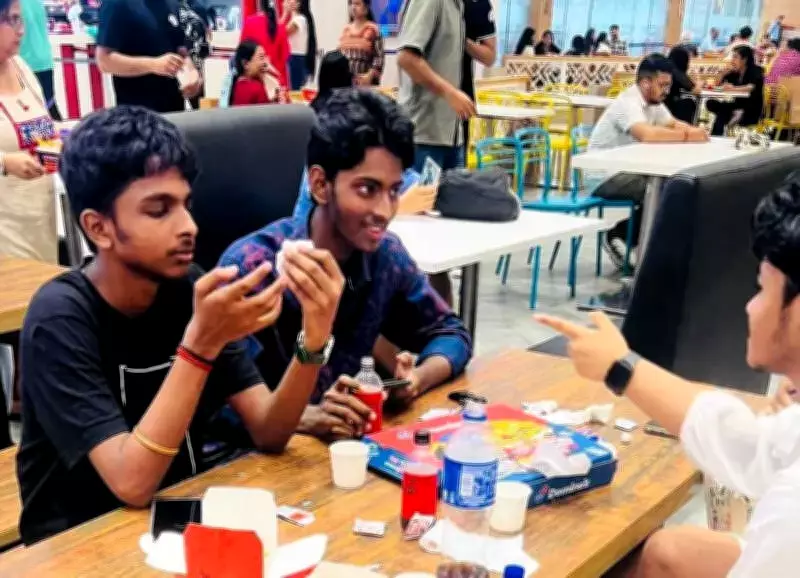
South City Mall, home to eight restaurants and a substantial 1,400-seater food court, has achieved approximately 35% reduction in LPG consumption. This strategic cutback aims to maintain operations until alternative arrangements can be established.
A restaurant manager at the mall described an unexpected development: "Competitors turned collaborators, sharing best practices and innovations so that they could tackle the crisis together. This is like the Covid scenario when everyone cooperated to ensure survival. Now, customers are there, and so are all ingredients. I am sure we will overcome the fuel challenge."
Balancing Electrical Solutions with Safety Concerns
The two City Centre malls located in Salt Lake and New Town have reported a 25% decrease in LPG usage. While several food units have successfully implemented electric appliances as alternatives, mall authorities have simultaneously issued cautionary guidance about potential electrical overload risks.
Ramesh Pandey, whole-time director at Ambuja Neotia, highlighted the electrical infrastructure challenges: "The high-wattage commercial-grade electric cooktops, grills, and ovens can burn a lot of electricity and be hazardous unless there is adequate capacity. One has to apply for additional load, which is time-consuming. For the time being, we are asking units to reduce tandoor and other items that require high energy."
Industry Leaders Express Cautious Optimism
While Quest Mall maintains sufficient reserves to last approximately one week, CEO Sanjeev Mehra expressed hope for a swift resolution to the broader supply issue. He noted the practical limitations of complete electrification: "Shifting completely to electric may not be feasible. Also, doing Chinese, which requires a high flame, may be a challenge. This is uncharted territory for most. Let us see how the situation evolves."
The collective response from Kolkata's retail and hospitality sector demonstrates remarkable adaptability in the face of unexpected resource constraints. Restaurant operators, mall management teams, and culinary staff are working collaboratively to implement temporary solutions while awaiting stabilization of the LPG supply chain.