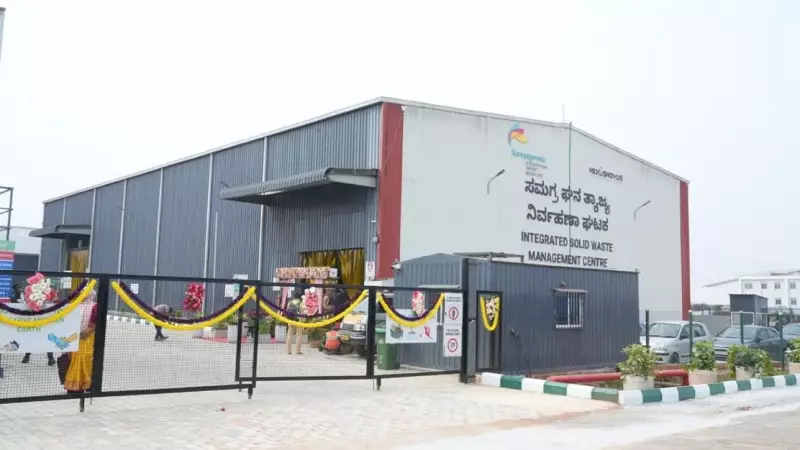
In a significant push towards environmental sustainability, Bengaluru's Kempegowda International Airport (KIA) has officially inaugurated its own in-house solid waste management centre. This crucial facility is designed to tackle the massive waste footprint generated by one of India's busiest aviation hubs.
A Pressing Need for Waste Management
The launch of this dedicated centre addresses a critical operational and environmental challenge. The airport currently generates a staggering 24 to 26 tonnes of solid waste every single day. This waste originates from a wide range of sources across the vast airport complex, including passenger terminals, airside operations for aircraft handling, numerous commercial outlets like restaurants and shops, and various other allied facilities.
Centralising Sustainability Efforts
Prior to this development, managing such a high volume of diverse waste was a complex logistical task. The new, in-house solid waste management centre allows the airport authorities to take direct control of the entire process. This centralised approach is expected to enhance efficiency in segregation, processing, and disposal. The move underscores the airport's commitment to integrating sustainable practices into its core operations, aiming to reduce its environmental impact significantly.

Implications for Bengaluru and Beyond
The establishment of this facility sets a new benchmark for infrastructure management in India's aviation sector. For a city like Bengaluru, which faces ongoing urban environmental challenges, this initiative by a major infrastructure player is a positive step. It demonstrates how large commercial entities can implement scalable solutions to manage their waste responsibly. The centre's performance will be closely watched as a potential model for other major airports and large facilities across the country seeking to improve their waste management protocols and meet stricter environmental norms.
The inauguration of the waste management centre was officially confirmed on 07 January 2026, marking a key date in the airport's journey towards greater operational sustainability and environmental stewardship.